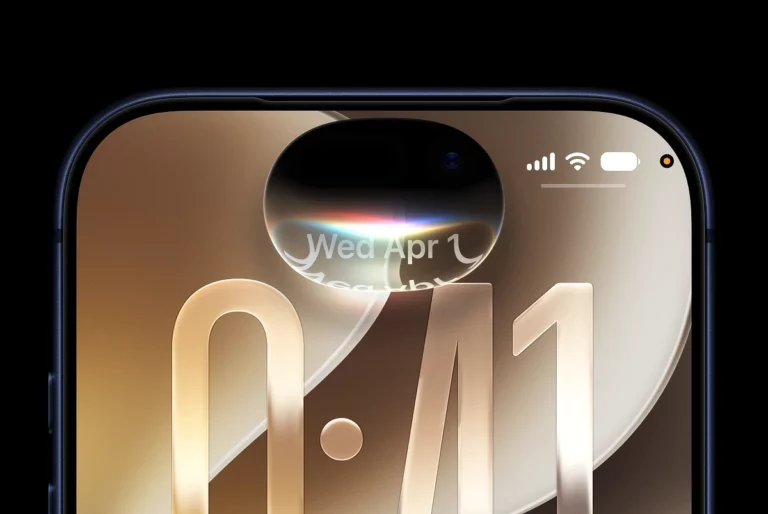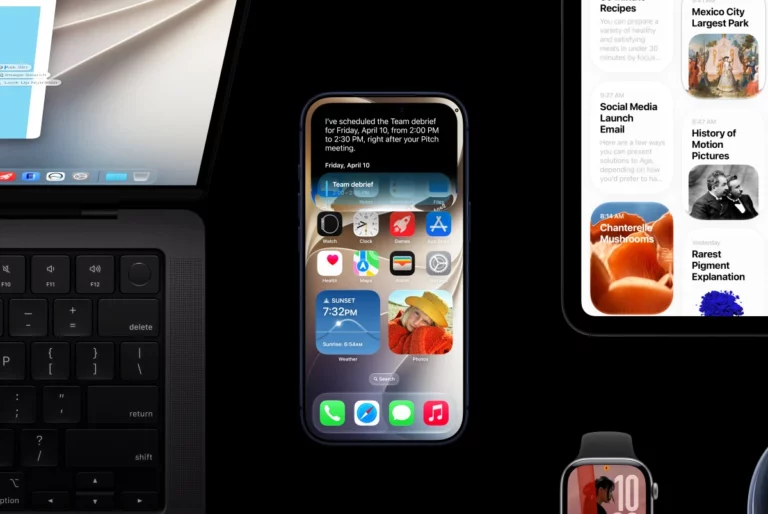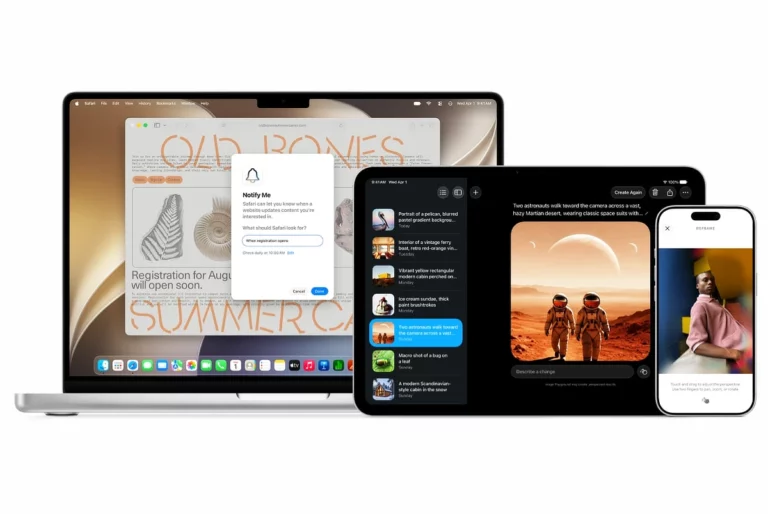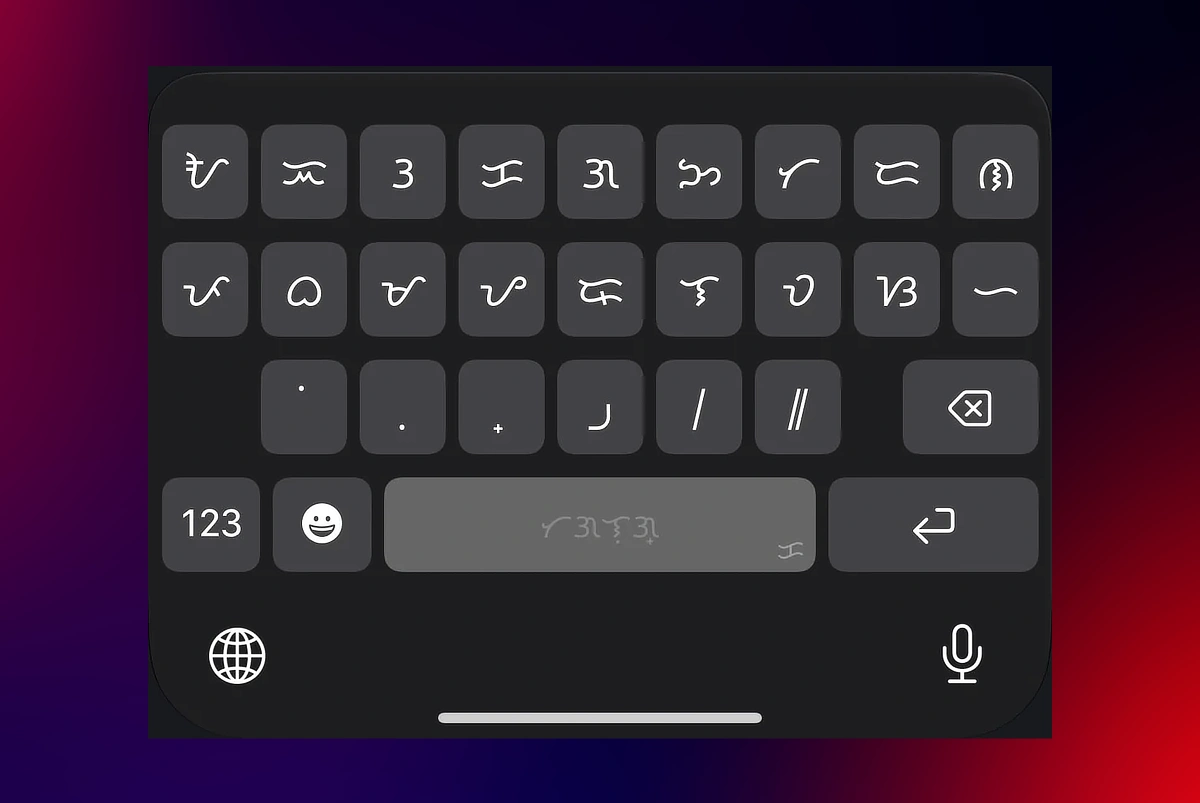
Apple has rolled out iOS 27, and one of its interesting additions is Baybayin support on the iPhone keyboard. Filipinos can now type in the ancient script natively, without relying on third‑party apps.
Baybayin was widely used in pre‑colonial Philippines before the Latin alphabet took over during Spanish rule. Today, it’s more symbolic than practical, but having it built into iOS gives people a chance to reconnect with their heritage and explore the script more easily.
Aside from the new language support, iOS 27 brings speed and usability. Apps launch 30 percent faster, AirDrop transfers are 80 percent quicker, and a new CPU scheduler keeps older iPhones more responsive. Icons are also updated with a sharper look thanks to layered refraction.
Meanwhile, Liquid Glass adds a transparency slider, and Spotlight search has been rebuilt with a new index.
Other updates include iCloud Shared Albums that now work with Android and Windows, advanced cycle tracking in Health with perimenopause and menopause support, custom EQ for AirPods, and richer Flyover imagery in Maps. Apple also expanded parental controls and Child Accounts for safety.
The Baybayin keyboard joins new layouts for Afrikaans, Basque, Galician, Guarani, Luxembourgish, Xhosa, and Zulu. Hundreds of smaller refinements are spread across iOS, iPadOS, macOS, watchOS, tvOS, and visionOS.
iOS 27 supports all iPhones currently on iOS 26, starting from the iPhone 11 and iPhone SE (2nd gen) up to the latest iPhone 17 series. The developer beta is out now, with the public release coming later this year.
Will you use the new Baybayin keyboard when it comes out with iOS 27?