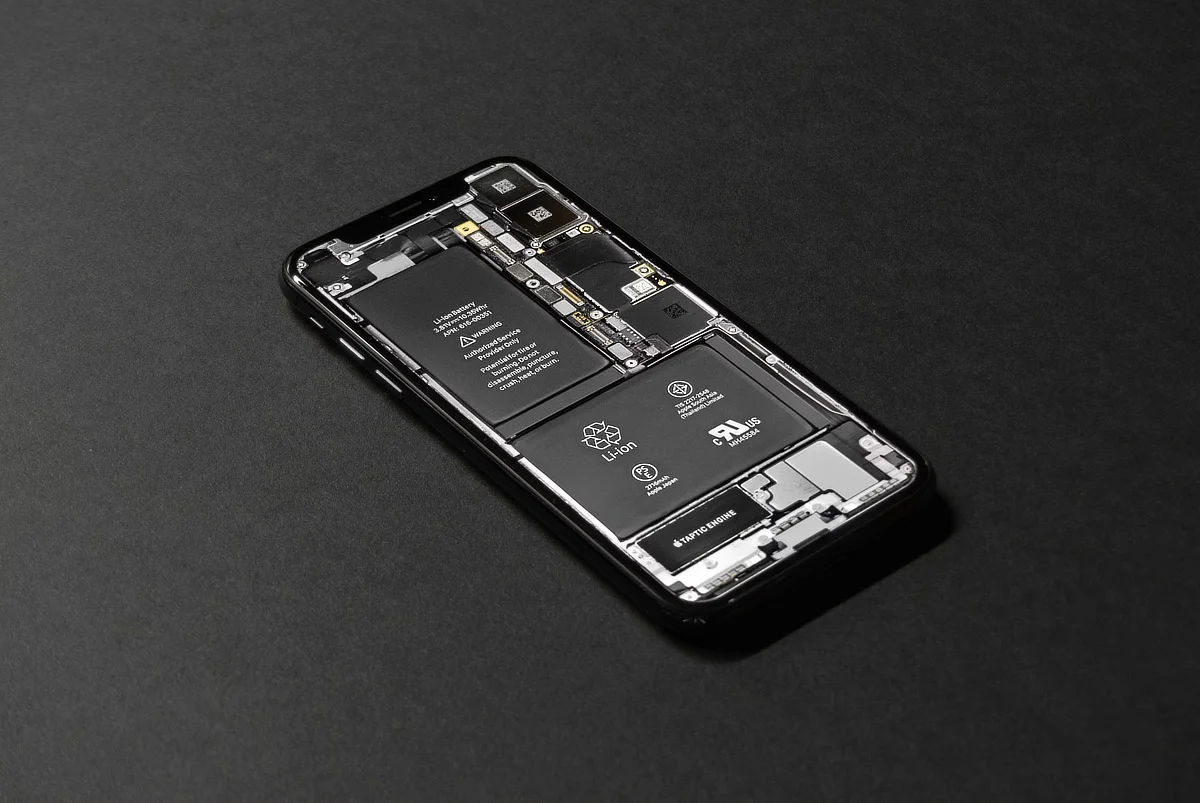
The European Union (EU) has set new rules that will change how smartphones are designed. Starting February 2027, all portable devices sold in the EU must have batteries that users can remove and replace on their own. The regulation is meant to cut down on electronic waste and help people keep their phones longer.
For a battery to qualify as “user-replaceable,” it should be removable with simple tools like a screwdriver. This means brands can no longer rely on strong adhesives or heat guns to keep batteries sealed inside.
Smartphone manufacturers are already feeling the ripple effect of the regulation. Apple is already using electrically induced adhesive debonding, which uses a low-voltage current to release the battery quickly. Meanwhile, Samsung and other Android makers are working on pull-tab designs and modular parts to make it easier to swap batteries without damaging the phone.
There is a loophole for premium devices, though. If a phone can keep 80 percent capacity after 1,000 charge cycles and meets IP67 water resistance, then the battery can be sealed and doesn’t have to be user-replaceable. Still, manufacturers must make sure that independent professional repairers can replace it easily.
While the rules apply to the EU, the impact will be global. Since companies prefer a single supply chain, phones in the Philippines and other markets will likely follow the same design.
Also Read: Here are the top 5 smartphone brands in Q1 2026, according to IDC
When this happens, repair costs will be lower and device lifespans will be longer. This means that instead of replacing your expensive phone when the battery wears out, you can just buy a new one and swap it yourself.
Source: 1
Featured photo: Unsplash