Smartphones are getting more expensive, and rising memory prices are one reason why. Because of that, software support has become more important than ever.
A phone that receives updates for six or seven years can stay secure and useful for much longer. This means you can hold off on upgrading your phone every year. It can also mean better value than a cheaper device that stops getting updates after only a few years.
If you’re shopping for a new smartphone, here’s a look at the software update policies of major phone brands.
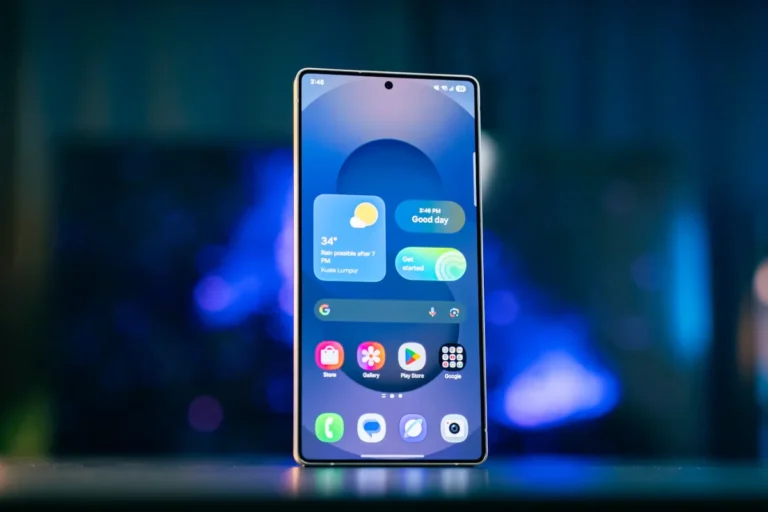
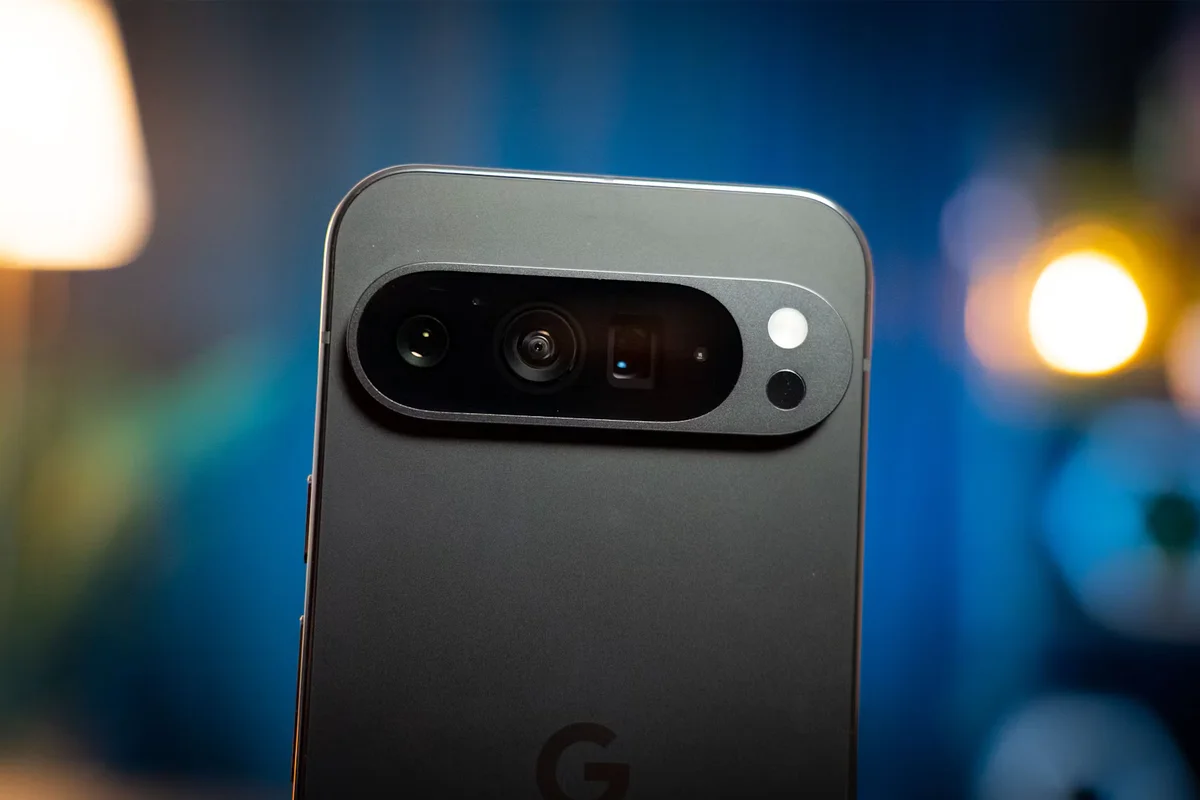
Google currently offers one of the best support policies in the smartphone market. Since the Pixel 8 series, the company has promised seven years of Android OS upgrades, security patches, and Pixel Drops across its lineup, including budget Pixel phones.
Apple
Apple doesn’t market a formal iOS upgrade policy, though regulatory filings commit to a minimum of five years of security updates. Even so, iPhones have traditionally received six to seven years of major iOS updates and security patches from launch.
Samsung
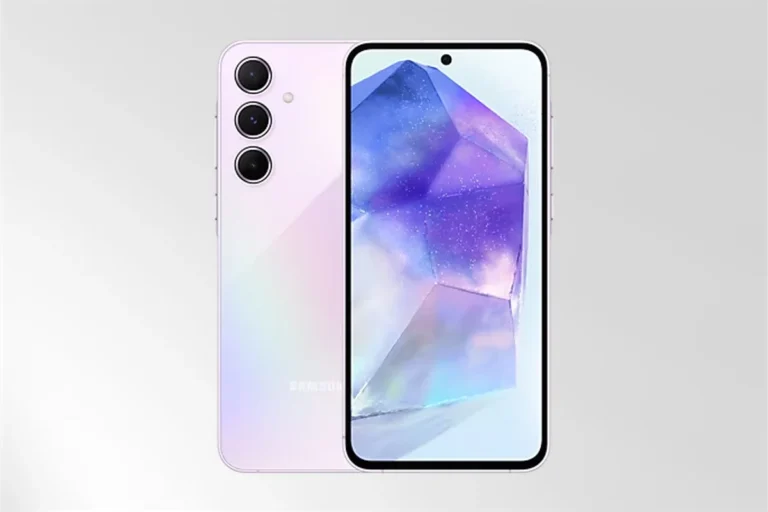
Samsung matches Google with seven years of OS upgrades and security patches on its flagship Galaxy devices. Some Galaxy A-series phones also receive up to six years of software support, making them attractive options for long-term use.
OPPO
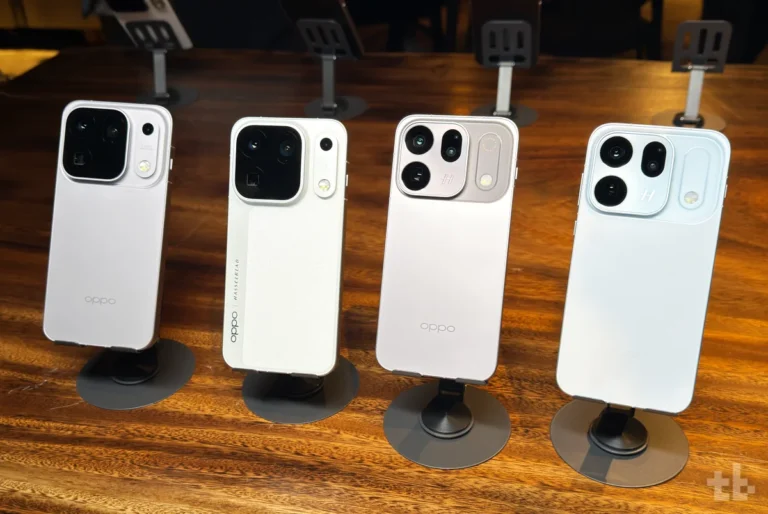
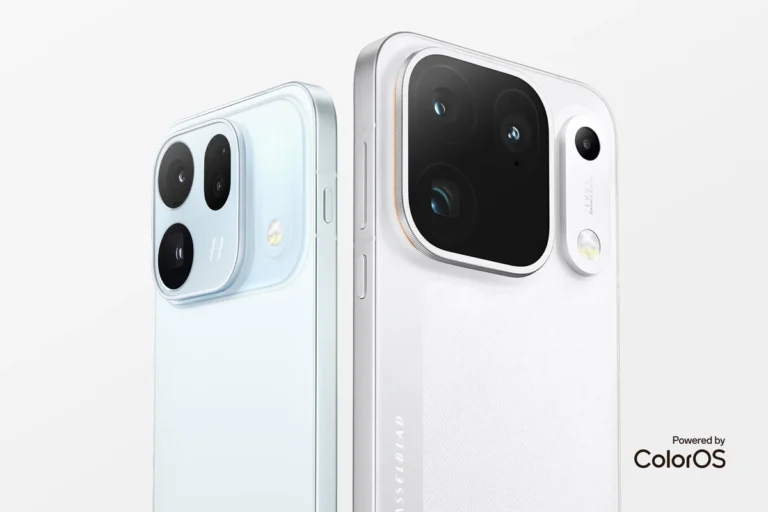
OPPO’s flagship phones receive five years of OS updates and six years of security patches. Reno-series devices can get up to five years of ColorOS updates, while budget A-series phones generally receive shorter support periods.
Xiaomi
Xiaomi has steadily improved its update commitments. Current flagship devices receive four to five major OS upgrades and six years of security patches.
vivo
vivo offers strong support on its premium devices. The X-series flagships receive five major Android upgrades and seven years of security patches. Meanwhile, V-series phones get four Android upgrades and six years of security support.
HONOR
HONOR has stepped up its software support efforts. Recent Magic Pro flagship phones now come with seven years of OS upgrades and security updates, putting the brand alongside Google and Samsung.
OnePlus
OnePlus provides four Android upgrades and six years of security patches on many of its flagship and Nord devices. Budget Nord CE models typically receive fewer updates.
Redmi
Redmi’s support policy depends on the device. Redmi Note models now receive four Android upgrades and six years of security patches, while entry-level Redmi phones receive less.
POCO
POCO offers up to four OS upgrades and six years of security patches on many F-series and selected M-series devices. Lower-end models usually receive shorter support.
realme
realme’s GT-series flagships receive four OS upgrades and five years of security patches, while select newer mid-range Pro models (like the realme 16 Pro series) get up to four OS upgrades and six years of security patches. Most other mid-range and budget devices receive two to three Android upgrades.
Huawei
Huawei follows a different path with HarmonyOS in China and EMUI globally. While the company doesn’t publish a fixed update commitment, its flagship Mate and Pura devices generally receive three to five years of software and security support.
Infinix
Most Infinix phones receive two Android upgrades and three years of security patches. Some newer mid-range models have extended support with up to three OS upgrades and five years of security updates.
Tecno
Tecno does not have a single policy across all of its devices. Most models receive two Android upgrades and three years of security patches, while select Camon phones offer longer support.
Nothing
Nothing is among the newer brands offering longer software support. Its flagship phones receive five Android upgrades and seven years of security patches, while CMF and other mid-range models get three Android upgrades and six years of security support.
Motorola
Motorola recently expanded software support on select flagship phones. Some high-end models now come with seven years of OS and security updates, although many mid-range devices still receive shorter support periods.
Sony
Sony’s recent Xperia flagships receive four OS upgrades and six years of security patches. Mid-range Xperia devices typically receive fewer updates.
ASUS
ASUS remains conservative with OS updates. Recent Zenfone and ROG Phone models receive only two major Android upgrades, though security patch support has been extended to five years.
Also Read: ColorOS 17 rollout schedule: OPPO, OnePlus, realme devices listed
Software support may not be as exciting as a new camera or a faster processor, but it has become one of the most important things to check before buying a phone.
If you plan to keep your device for four years or more, brands that offer longer software support can give you the best value for your money, especially as memory prices continue to rise.
Photo: Unsplash