
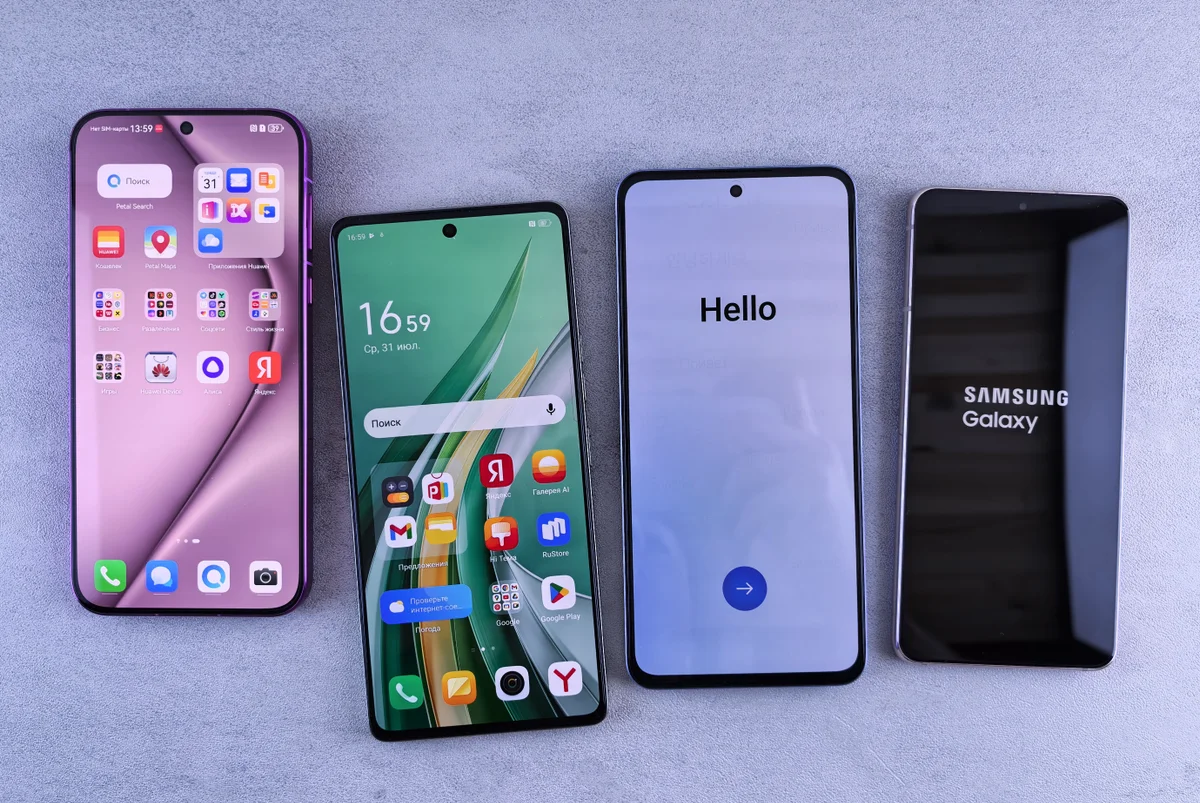
Global smartphone shipments fell 6.7% year-on-year in Q2 2026, dropping to 277.5 million units. IDC said the decline was driven by the ongoing memory crisis, which pushed costs higher and split the market between premium and budget players.
Memory prices surged nearly 300% compared to last year, now accounting for more than 65% of the bill of materials for entry-level devices. This gave Apple and Samsung an edge, while Chinese brands that rely on low-cost models struggled.
Apple recorded strong demand for the iPhone 17, with shipments hitting a record high. The company is projected to reach 22% annual market share as buyers rush to secure units ahead of expected price hikes. Samsung also grew shipments by 8.1% year-on-year, lifting its share to 22.6%.
Chinese manufacturers faced steep declines. Xiaomi dropped 26.3% after cutting low-end volume to protect margins. OPPO shipments fell 17.5%, while vivo slid 19.4%. Many brands tried to defend the sub-$200 segment by repackaging older models or pushing 4G variants.
Huawei was the standout, growing 20.9% year-on-year. The brand leaned on strong loyalty in China, steady pricing, and promotions to expand its lineup and maintain momentum.
Also Read: Smartphone shipments shrink 12% in 2026, says report
IDC notes that the crisis is reshaping strategies across the industry. Premium vendors are consolidating gains, while budget-focused brands are seeing volumes shrink. The next quarters will reveal if memory costs stabilize or continue to pressure the market.
Source: 1
