President Ferdinand Marcos Jr. said the controversial Pax Silica project has no plans to build data centers in the Philippines. The statement addresses one of the main concerns raised by groups protesting the initiative.
Marcos made the remarks during a visit to Shenzhen, China. He said he was perplexed by the protests, noting that there is still no finalized agreement under this initiative.
Many protesters have linked the project to possible data center developments. They fear these facilities could affect local communities and use large amounts of resources. Marcos said those concerns do not apply because data centers are not part of the plan.
The issue gained attention during the recent visit of Donald Trump to the Philippines. Several groups held demonstrations against Pax Silica and raised concerns about land use and the environment.
Marcos also said no Pax Silica agreement was scheduled for signing during Trump’s visit. According to the president, there was simply no deal ready to be signed.
Pax Silica is a US-led program focused on artificial intelligence, semiconductors, critical minerals, and other advanced technologies. The Philippines joined the initiative in April 2026 as its 13th signatory.
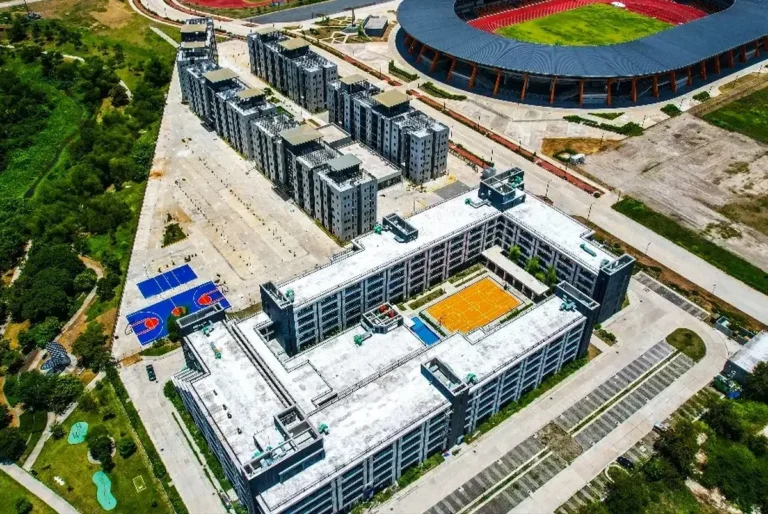
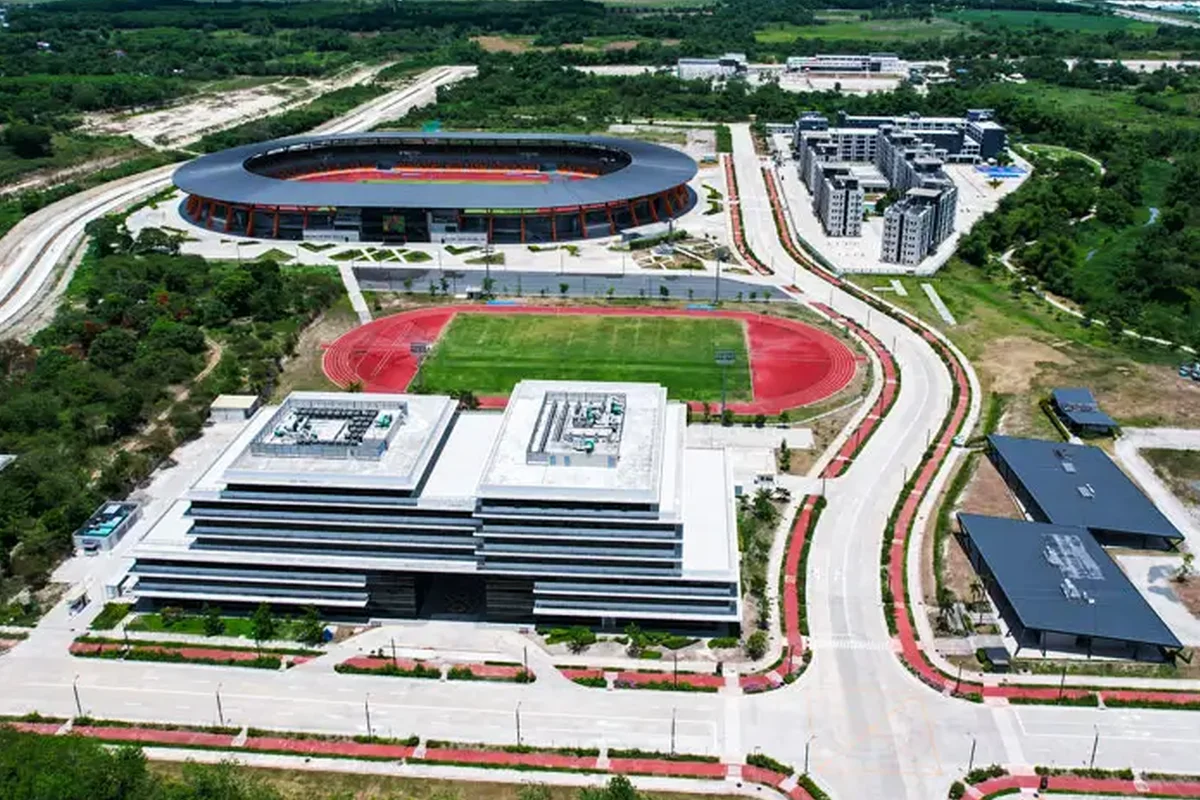
Government officials say the project could help draw investments into the country. Plans tied to the initiative include an industrial hub in New Clark City, Tarlac. Officials also maintain that development will stay within approved areas and will not affect farmers or indigenous communities.
Also Read: PH adds sovereignty clause in Pax Silica agreement
For now, Marcos’ message is simple. No agreement has been signed, and no data centers are planned under this initiative.