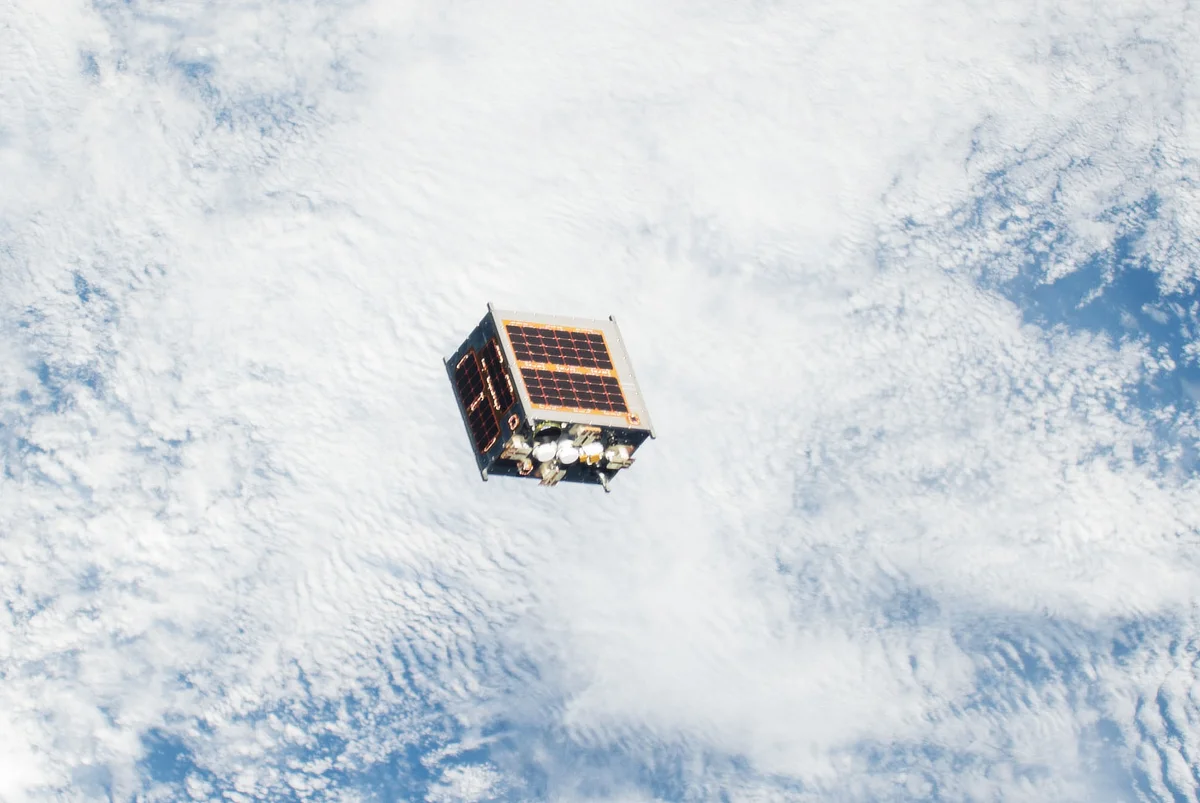
On April 27, 2016, Diwata-1 made history as the first Filipino-built satellite deployed from the International Space Station. Ten years later, it’s more than just a piece of hardware in orbit. It’s the start of the Philippines’ journey into space.
The push for local satellites started after Typhoon Yolanda in 2013. Back then, the country struggled to get timely satellite images for disaster response. This led to a vision of building our own satellites so we could access data directly when we need it. Filipino engineers trained in Japan, and by 2016, Diwata-1 was launched.
Diwata-1 proved that Filipinos could design, operate, and process satellite data. It opened doors for Diwata-2 and the Maya CubeSats, which trained more engineers and expanded imaging capabilities. In 2019, the Philippine Space Agency (PhilSA) was created to lead the national space program and grow local expertise.
Since then, PhilSA has been turning satellite data into maps that help communities respond to disasters. These include fire assessments, earthquake damage, oil spills, floods, and typhoon impacts. Instead of relying only on foreign data, the Philippines now produces and processes its own.
Also Read: Malacañang declares first Philippine Space Week in August
The next step is the launch of the Multispectral Unit for Land Assessment (MULA) satellite in early 2027. MULA will provide higher-resolution images to monitor land, environment, and resources more effectively.