
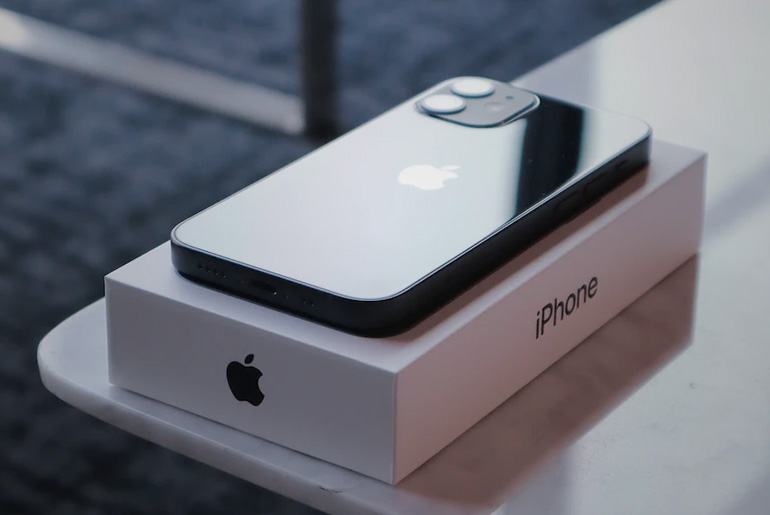
Recently, the Brazilian government has moved to ban the sale of iPhones without chargers in their country. Apple is also slapped with a huge fine amounting to BRL 12,275,500 (about USD 2.3 million).
Apple is the first brand to remove chargers from its iPhones, starting with the iPhone 12. This was soon followed by other brands, who started to do the same. The company has done so, citing environmental reasons.
By removing the power adapter and EarPods from iPhone packaging, Apple said this helps reduce carbon emissions and avoid the mining and use of precious materials. It also means smaller and lighter packages that allows for 70 percent more boxes to be shipped on a pallet. All in all, the changes, Apple claims this will result in a reduction of over 2 million metric tons of carbon emissions annually.
However, the Brazilian government was not convinced of Apple’s explanation. They also argued that they are merely passing the burden to consumers.
They also said that if Apple was really concerned for the environment, they could have done so with other means, such as shifting to USB-C charging ports. Further complicating the problem, Brazil’s federal ministry said that the move didn’t reduce the prices of the iPhones at all.
See also: Apple made over USD 6.5 billion by removing earphones and chargers from its iPhone packages
Apple said that it will appeal the order and will work with Brazilian consumer protection agency Senacon to resolve the matter.
The order comes as Apple readies the launch of the iPhone 14 on September 7.
