
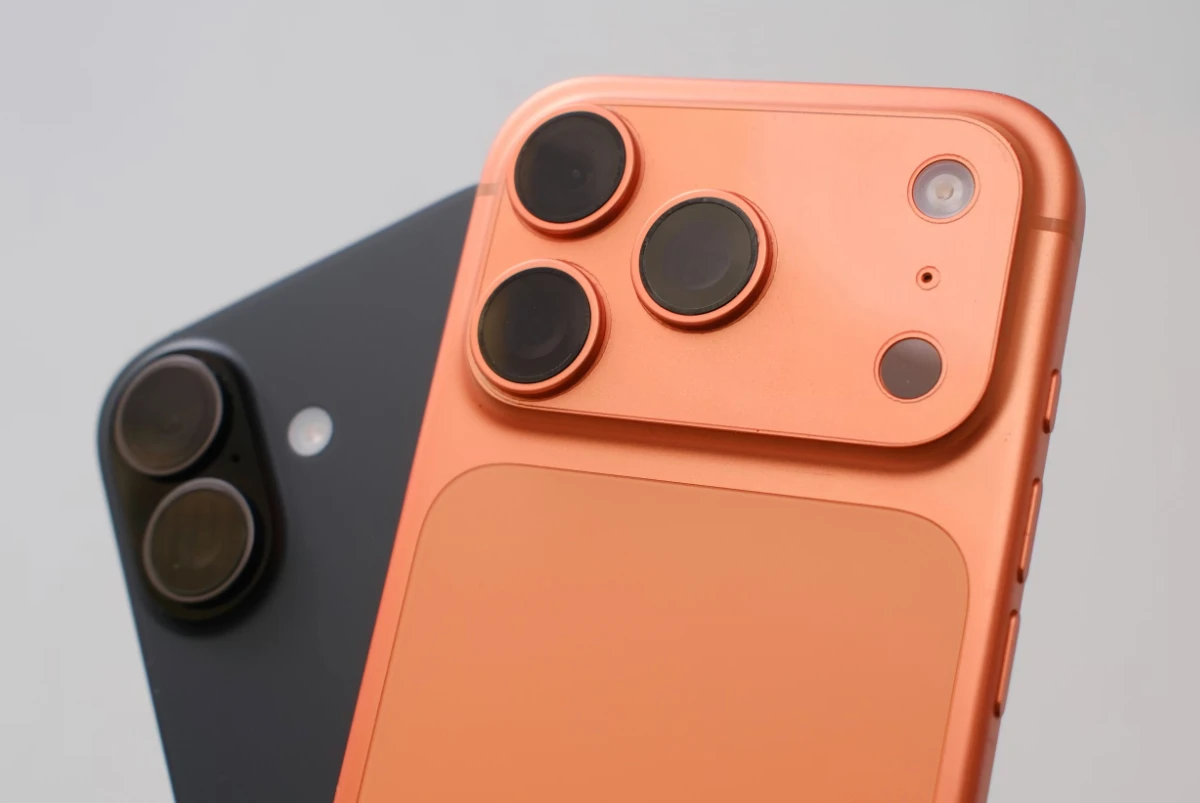
Apple has taken the lead in the global smartphone market for the first quarter of 2026, capturing 21 percent share according to Counterpoint Research. The strong demand for the iPhone 17 series pushed shipments up 5 percent year-on-year, even as the overall market declined.
Smartphone shipments fell 6 percent compared to last year. The industry is facing shortages of DRAM and NAND memory, key components that affect storage and performance. Rising costs forced many brands to pass expenses on to buyers, which slowed demand.
Samsung came in second with a 20 percent share, but its shipments dropped 6 percent. Xiaomi followed at 12 percent, down 19 percent. OPPO and vivo posted smaller declines at 11 percent and 8 percent, respectively. Smaller players like Google and Nothing grew double digits but remain outside the top five.
Apple’s resilience comes from its premium positioning and tight supply chain. Trade-in programs and ecosystem loyalty also helped the company manage the supply crunch better than rivals. Growth was especially strong in China, India, and Japan, where demand for premium devices stayed steady.
Analysts warn that the memory shortage could last until late 2027. Smartphone makers are expected to cut low-margin models, focus on value over volume, and rely more on refurbished devices to keep sales moving. For consumers, this could mean fewer budget options and longer product cycles.
Also Read: How the Middle East conflict affects smartphone prices
The bigger question is whether smartphone manufacturers can adjust quickly enough to regain ground in the coming quarters.
