The Tacloban school shooting on June 22, which left three students dead and 20 injured, has triggered calls for talks on terror grooming in the Philippines. Officials say extremist recruitment now happens in classrooms, chat groups, and social media, making prevention a national priority.
The National Security Council (NSC) recently rolled out the country’s first Philippine Journal on National Security. Titled “Target to Threat: The Psychology and Prevention of Terror Grooming”, the journal features research-based strategies to stop grooming tactics and build resilience among vulnerable youth.
NTF-ELCAC chief Ernesto Torres Jr. backed pending bills known as the Terror Grooming and Radicalization Prevention Acts. These measures aim to penalize indoctrination and recruitment at the earliest stage. Torres said that the bills are not meant to criminalize children or activism, but to protect them from manipulation before violence happens.
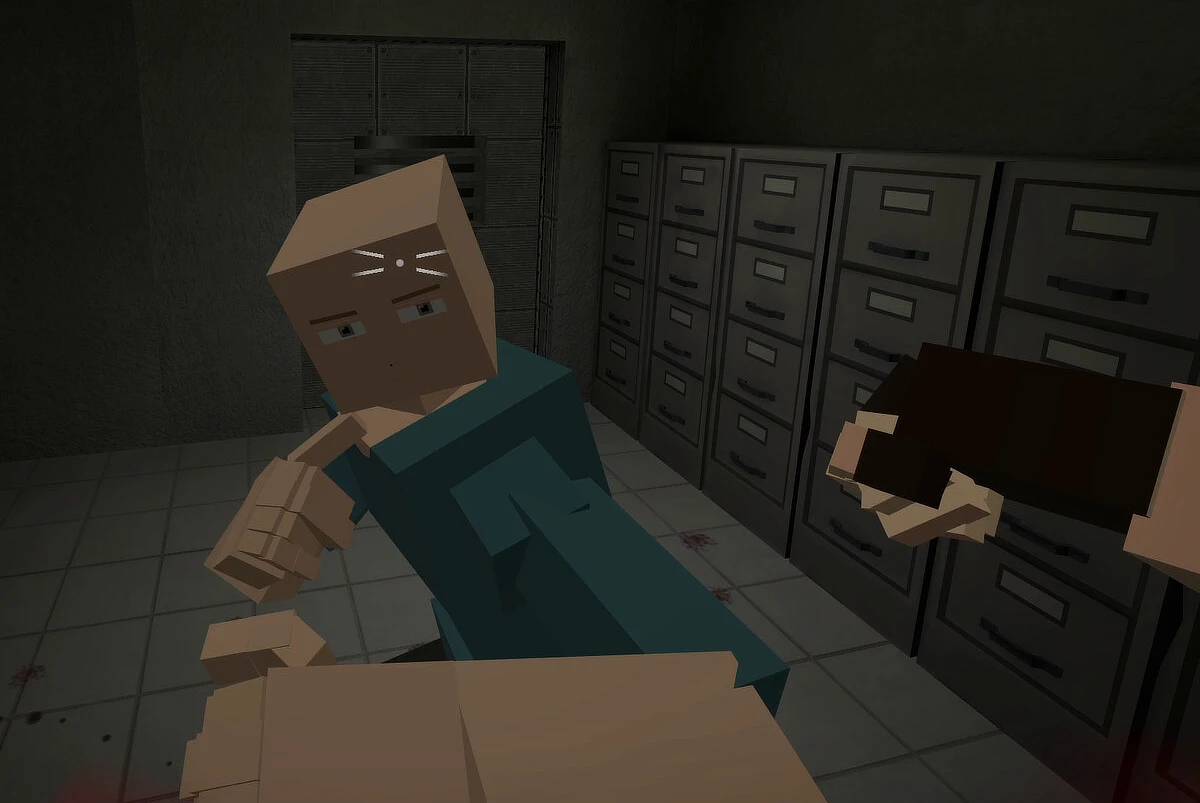
At the same time, the Cybercrime Investigation and Coordinating Center (CICC) has temporarily banned the sandbox game GoreBox. Authorities confirmed one of the Tacloban suspects was a regular player, prompting the move as a precaution while investigations continue.
Officials stress that prevention should focus on child protection, mental health support, and stronger school guidance systems. They warn that extremist groups exploit pain, anger, and idealism to lure young people into violence.
Also Read: GoreBox developer skips PH Senate inquiry on Tacloban shooting
The Tacloban tragedy shows why these talks matter. Protecting children from terror grooming is about safeguarding their right to safety, education, and a future free from fear. The goal is to stop radicalization before it starts.