Meta has launched Muse Spark Open, its most capable U.S. open-weight AI model so far. The new model is built for coding, software development, AI agents, and tasks that require long-context reasoning.
Muse Spark Open is a native multimodal model with 816 billion total parameters and 42 billion active parameters. It also comes with a 1 million-token context window, which means it can work with large amounts of information in one session.
The model is designed for advanced tasks that need multiple steps and longer planning. In one demo, it helped make and ship code changes to the open-source Mastodon client Ice Cubes. In another, it worked with DaVinci Resolve to review video clips, find important moments, and automatically create vertical crops.
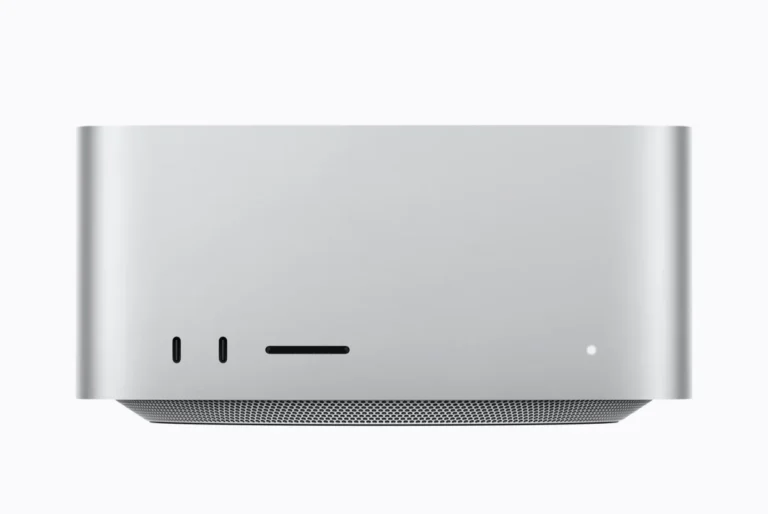
According to the company, Muse Spark Open can run locally on two Apple M5 Ultra Mac Studios using Apple’s MLX framework. The setup takes advantage of Apple’s unified memory architecture for handling large AI models.
Developers can access it through several AI platforms, like Baseten, Fireworks AI, Groq, Modal, Nebius, OpenRouter, and Together AI. The model weights are also available on Amazon SageMaker AI, Google Cloud Model Garden, Hugging Face, and Microsoft Foundry Models.
Meta said the release includes custom Helion GPU kernels in SGLang to help the model run better on AMD and NVIDIA hardware. The company also said Muse Spark Open went through additional safety testing before launch.
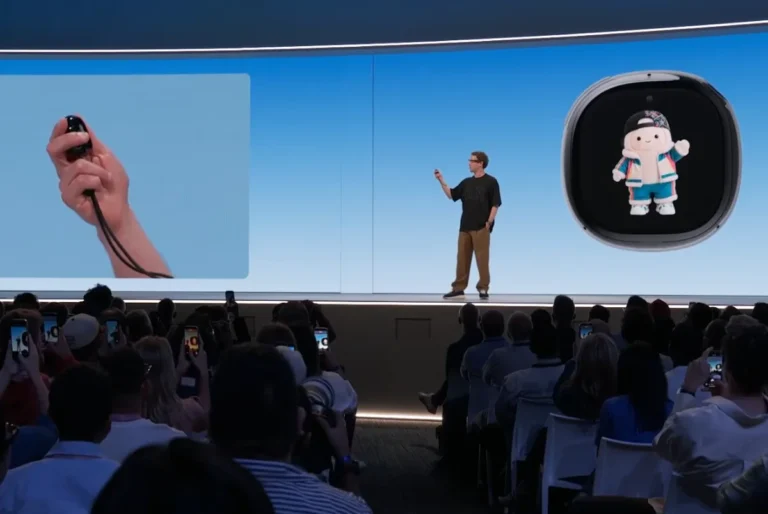
Also Read: Meta Muse Charm debuts as a pocket AI device
Muse Spark Open is now available through Meta’s partner platforms and model repositories. Developers can run it in the cloud or on supported local hardware.