
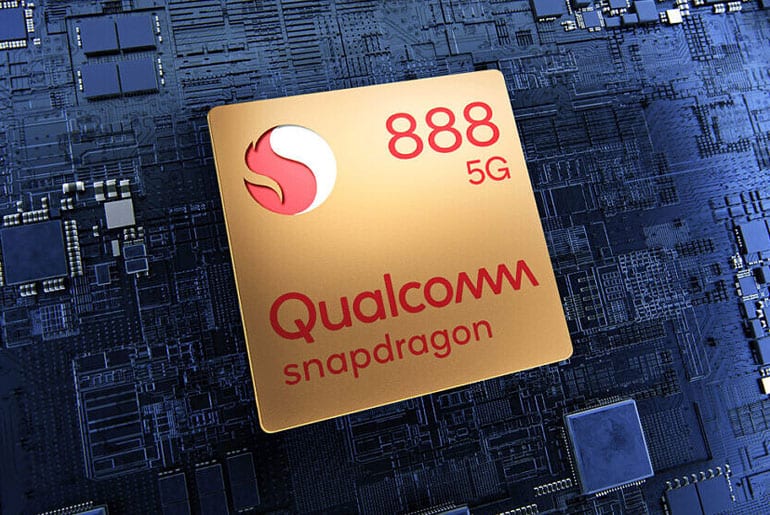
Qualcomm today announced the Snapdragon 888, its latest chipset that’s soon to power flagship smartphones.
The new chip is a leap from its predecessor (even skipping the 875 naming convention), especially on the performance standpoint as it aims to offer 144fps gaming and support for updatable GPU drivers.
Details about the CPU and GPU are still under wraps, but the company did reveal some key information as what to expect from the upcoming processor.
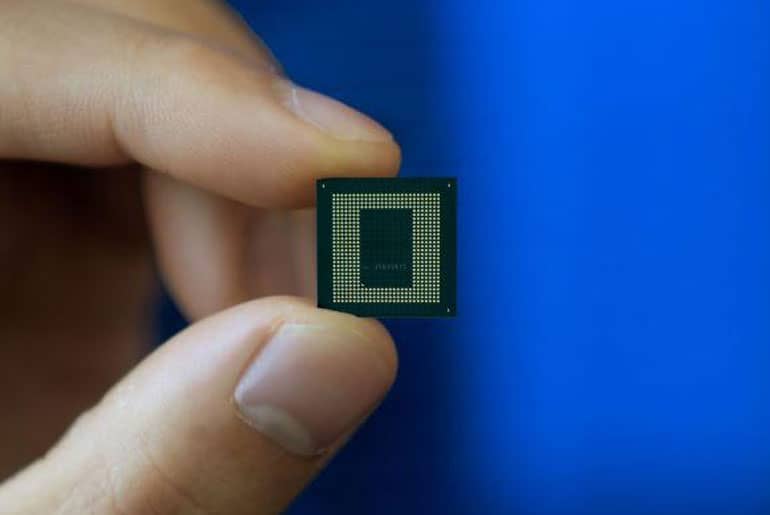
First and foremost, the chip will come with its third generation Snapdragon X60 5G modem, which will offer more support for major bands worldwide. Plus it will also have global multi-SIM, carrier aggregation and Dynamic Spectrum Sharing.
Wi-Fi 6E and Bluetooth 5.2 are also onboard for improved wireless connectivity.
ALSO READ: Qualcomm announces 100W+ Quick Charge 5
Qualcomm has also re-engineered its Hexagon processor, which can now deliver 26 TOPS. For comparison, Apple’s M1 can do 11 TOPS, while the Snapdragon 865 was rated at 15 TOPS.
As for image and video processing, its Spectra ISP is now 35% faster compared to the previous generation. It has a capacity to handle 2.7 gigapixels per second of image data which is around 120 photos at 12MP resolution.
Are you excited for our latest flagship #Mi11 powered by the most powerful @Qualcomm chipset to date? Stay tuned! #InnovationForEveryone pic.twitter.com/MUFc251Dkw
— Xiaomi (@Xiaomi) December 1, 2020
The Qualcomm Snapdragon 888 wasn’t the only big reveal today. Xiaomi quickly followed it up with huge surprise of its own. As it turns out, they will be the first to come out with a smartphone running on the new flagship processor as they announce the soon-to-arrive Xiaomi Mi 11.
Apart from Xiaomi, the chip is also coming to several other smartphone manufacturers, including Asus, Black Shark, Lenovo, Motorola, Realme, OnePlus, Oppo, Sony, vivo, and many more.


