Kaspersky is warning Filipinos about fake mobile apps that steal money and personal data. These apps look like real banking, e-wallet, or government tools, but secretly hijack phones once installed.
In 2024, mobile banking Trojan attacks in the Philippines more than tripled. Crypto-related phishing also rose by over 80%. These fake apps run in the background, stealing login details and performing unauthorized transactions without the user knowing.
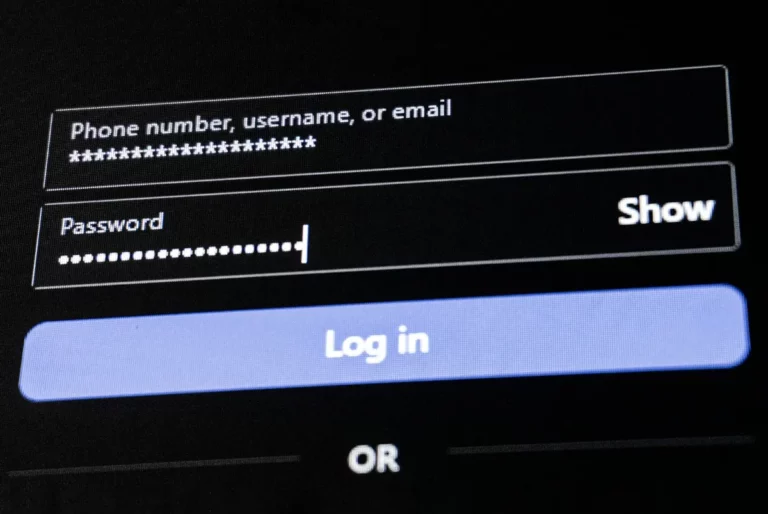
Some apps use overlays to mimic real login screens. Others inject code that lets attackers control the device remotely. Kaspersky says these tactics are becoming more common as more Filipinos use mobile-first financial services.
The company recorded over 82,000 financial phishing attempts in the first half of 2024. That number dropped slightly in 2025, but the threat remains serious. Ransomware also continues to affect users in Southeast Asia, though infection rates in the Philippines declined slightly.
To protect yourselves, enable multi-factor authentication, use stronger passwords, and avoid clicking suspicious links. It also recommends downloading apps only from trusted sources and checking app permissions carefully.
Even official app stores are not immune. Kaspersky recently found malware in 20 apps on Google Play. Remember to stay alert and protect your devices.