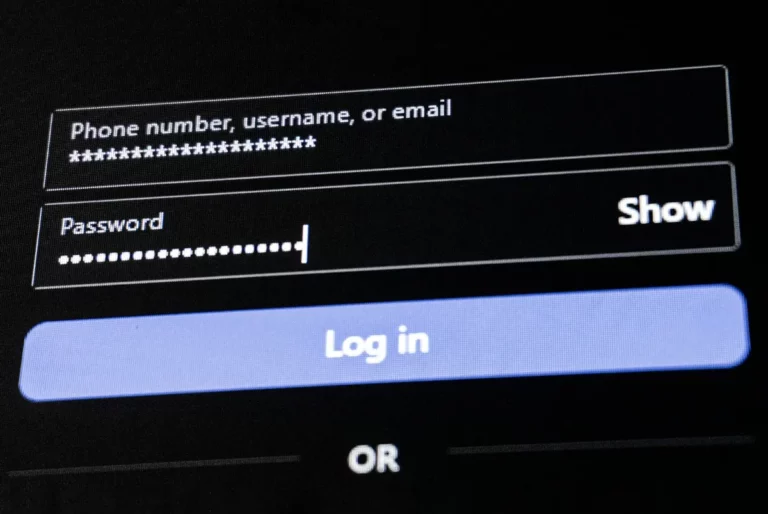
According to Kaspersky, the Asia-Pacific (APAC) region had the highest number of email-based attacks in 2025. The region accounted for 30 percent of detections worldwide, with the Philippines among the countries most affected as more people and businesses rely on digital platforms.
Globally, almost half of all email traffic last year was spam. The security firm blocked more than 144 million malicious attachments, a 15 percent jump compared to 2024. Still, Southeast Asia continues to face growing risks from phishing and business email compromise.
Cybercriminals are also evolving. There are emails that now push victims to messaging apps or trick them into calling fake hotlines. Other phishing links hide in QR codes or even use calendar invites to look legitimate. Business email compromise attacks are harder to spot, often appearing as forwarded emails without proper headers.
In the Philippines, one in ten targeted attacks starts with phishing, and many are linked to advanced persistent threats. Experts say stronger defenses are needed, including better email security, employee training, and awareness.
Also Read: Experts warn Filipinos of silent cybersecurity surveillance
With APAC leading in email threats, Filipino users and businesses must take extra care to protect themselves.
Are local companies ready to deal with these evolving email scams? Stay tuned.