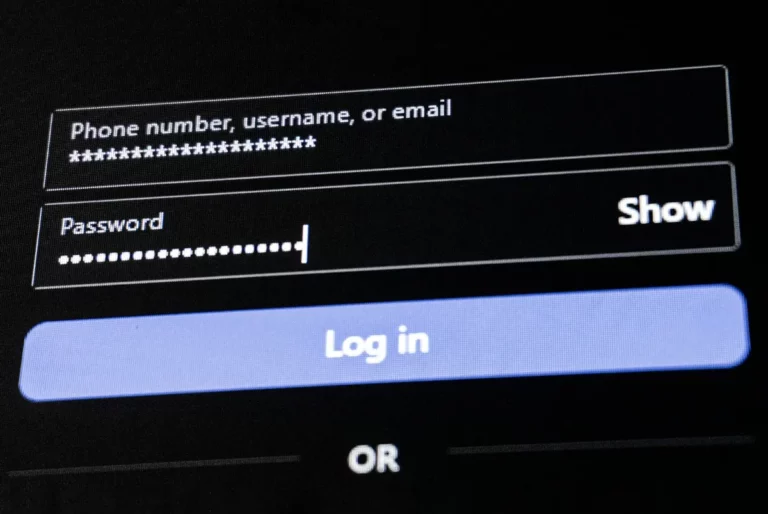
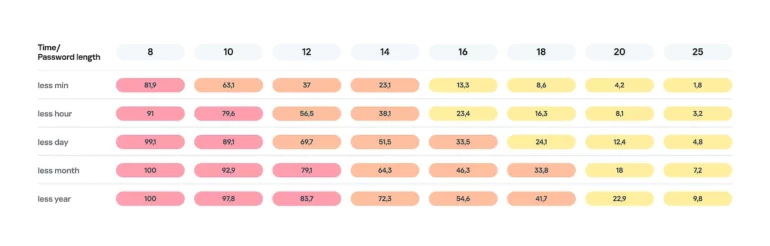
Kaspersky’s latest study shows just how weak most passwords really are. Out of 231 million leaked passwords analyzed, 68 percent can be cracked in less than 24 hours. The report shows how predictable habits make it easy for attackers to break in.
More than half of passwords end with numbers, usually simple sequences like “1234” or birthdays. Keyboard shortcuts like “qwerty” and even trending words such as “Skibidi” also show up often.
Length doesn’t guarantee safety either, as some 15‑character passwords were cracked in under a minute because they followed obvious patterns.
Overall, 60 percent of passwords were broken in about an hour, showing how fast brute force and AI‑powered tools can compromise accounts. The findings is a reminder that old password habits don’t stand a chance against modern attacks.
It’s recommended to use long, random passphrases with symbols, numbers, and intentional misspellings. Avoid putting digits at the start or end, and skip common substitutions like “@” for “a.”
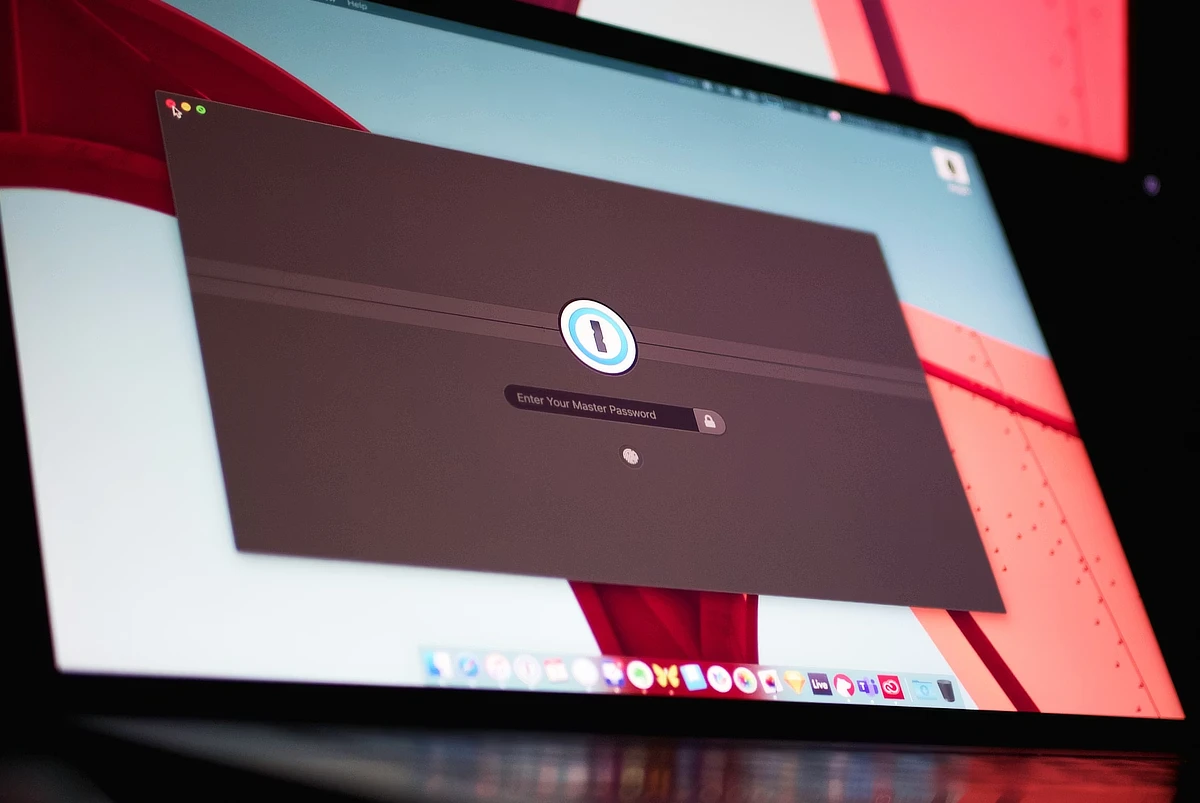
Two‑factor authentication (2FA) adds another layer of protection, while password managers can help generate and store stronger credentials.
Also Read: Philippines among the most targeted by email-based attacks in APAC
Short and predictable passwords are no longer enough. AI is making attacks faster, so stronger password practices are now a must.