Global smartphone shipments dropped 11% year-on-year in Q2 2026, according to Counterpoint. That’s the lowest second-quarter level in 13 years. The decline was caused by the ongoing DRAM and NAND memory shortage, which pushed prices higher and slowed demand worldwide.
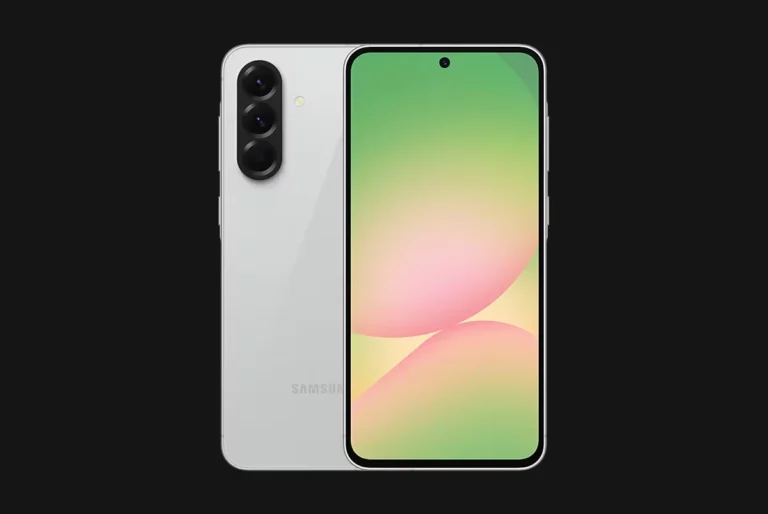
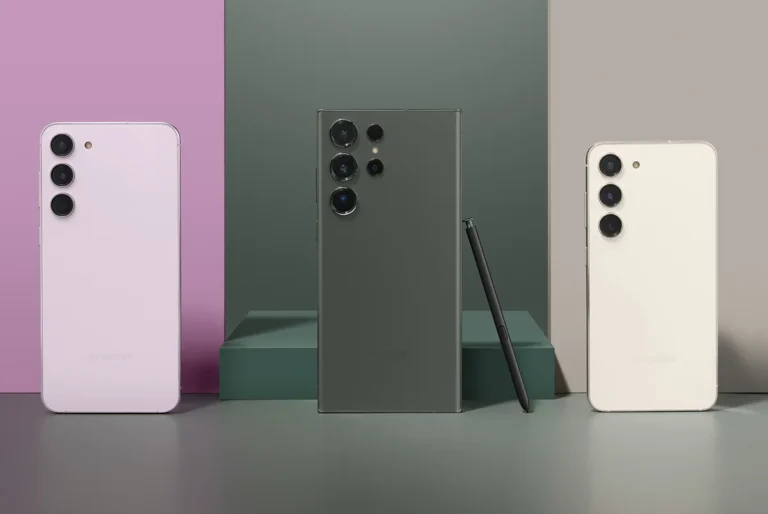
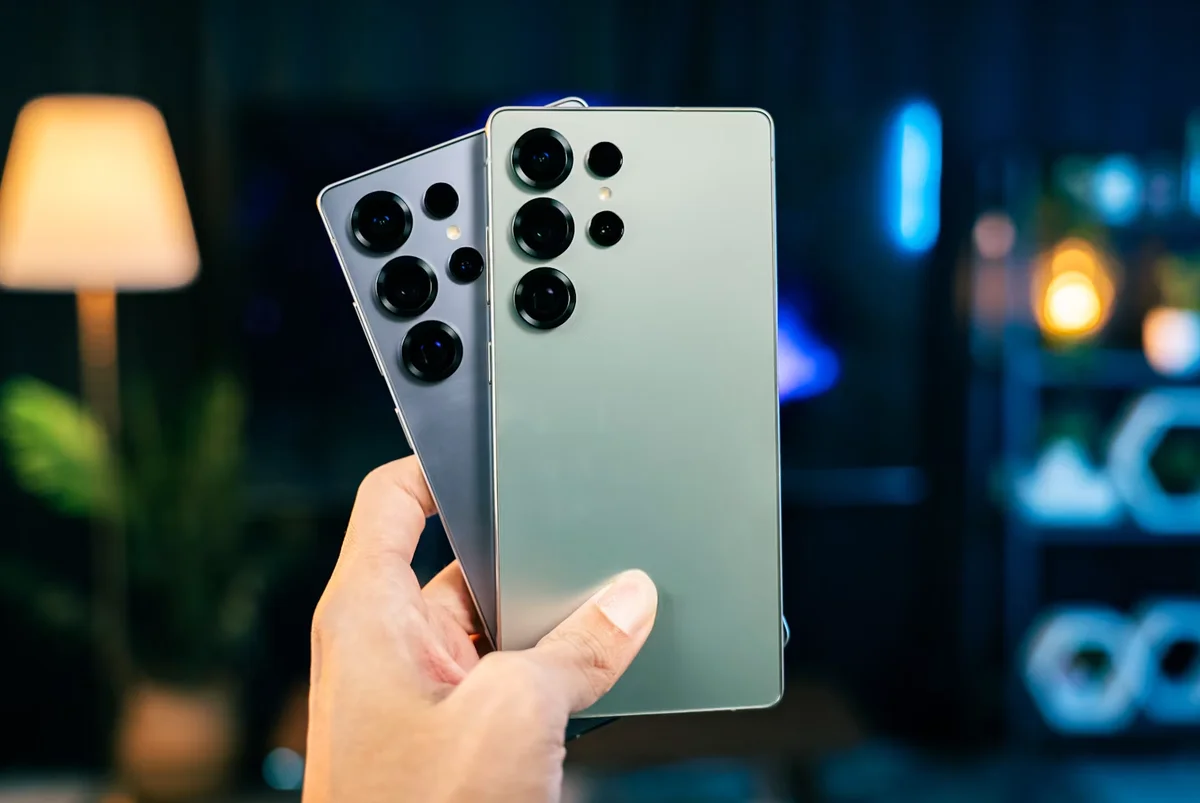
Samsung climbed back to the top with 24% market share, driven by strong Galaxy S26 sales, especially the S26 Ultra. Apple followed with 20% share, growing 3% year-on-year. The iPhone 17 was the most shipped model, but weaker demand in China and softer sales of older iPhones pulled growth down.
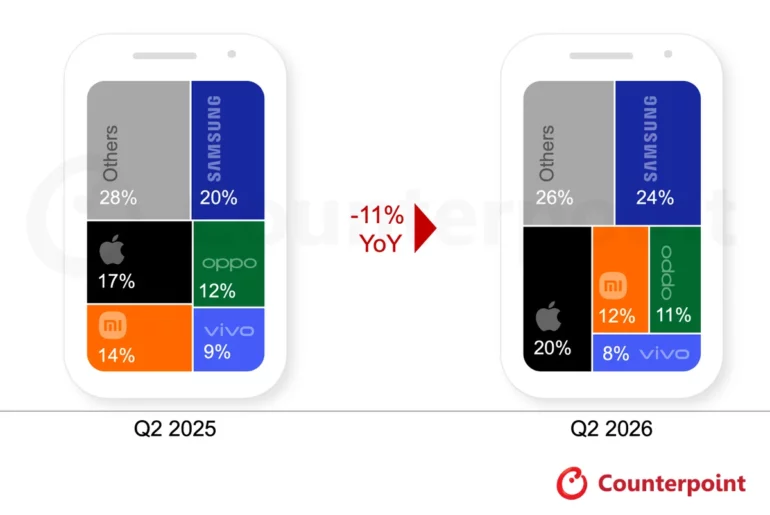
Xiaomi, OPPO, and vivo posted sharp declines as rising component costs hit budget and mid-tier devices hardest. On the other hand, Google grew 16% and Huawei 6%, thanks to new launches and strong regional demand.
Samsung’s as a memory supplier helped cushion the impact of shortages, while Apple avoided price hikes to keep demand steady. Still, both brands faced challenges balancing supply and consumer sentiment.
Also Read: IDC: Global smartphone shipments fall 6.7% in Q2 2026 amid memory crisis
The global outlook remains tough, with shortages and weak confidence expected to pressure shipments through the rest of 2026. Premium brands like Samsung and Apple appear better positioned to ride out the slowdown, while budget-focused players likely struggling further.
| Brand | Q2 2026 | Q2 2025 |
|---|---|---|
| Samsung | 24% | 20% |
| Apple | 20% | 17% |
| Xiaomi | 12% | 14% |
| OPPO | 11% | 12% |
| vivo | 8% | 9% |
| Others | 26% | 28% |
Samsung and Apple’s lead shows the market shifting toward higher-end devices. The rest of the brands need to adapt fast to survive the slowdown.
Source: 1