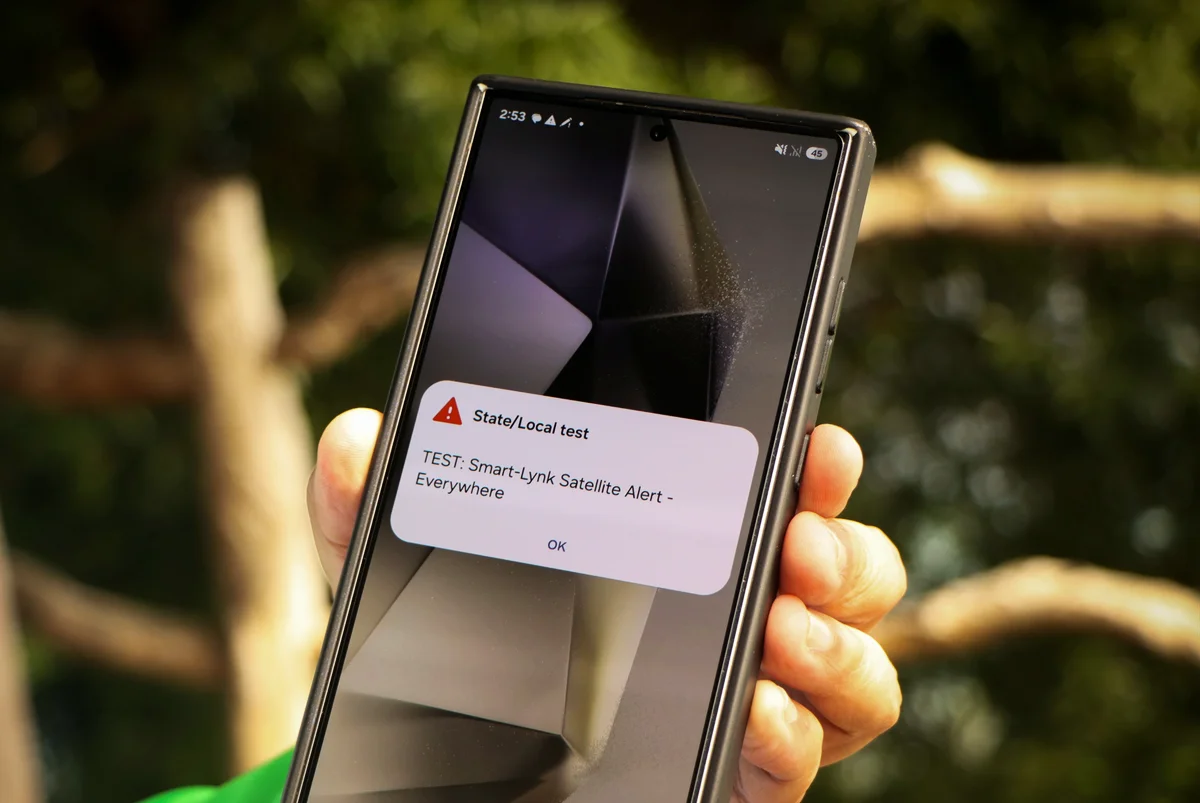
Smart Communications and Lynk Global have expanded their Direct-to-Device (D2D) satellite service testing to Batangas, continuing efforts to improve communication during disasters and in remote areas. The test builds on earlier pilots in Catanduanes and Ilocos Norte, aiming for connectivity even when cell towers are down.
The technology allows regular mobile phones to connect directly to satellites, eliminating “dead zones” and enabling two-way SMS and emergency alerts without relying on terrestrial networks.
During the Batangas test, Smart simulated disaster scenarios to assess how satellite connectivity can support emergency broadcasts and critical communication when infrastructure fails.
PLDT Chief Operating Officer and Network Head Menardo G. Jimenez Jr. said reliable communication is vital in times of crisis, emphasizing that Smart’s mission “goes beyond technology” and focuses on being there for Filipinos when it matters most.
The initiative supports national disaster response and public safety goals, extending coverage to rural communities, maritime zones, and remote workers. Smart and Lynk plan to continue testing across more regions before commercial rollout, strengthening the country’s resilience against future emergencies.
Also Read: Smart pilots Direct-to-Device satellite service in Catanduanes
Their partnership began in 2025, with pilot testing of D2D satellite service in Catanduanes, Bicol in January 2026.