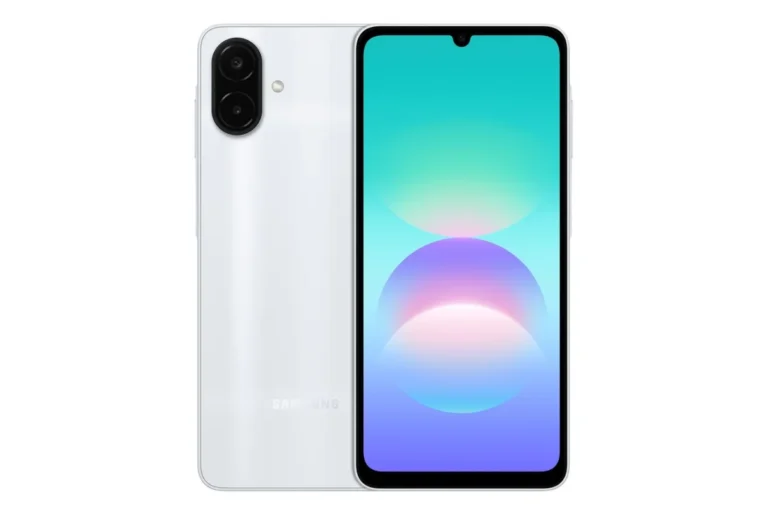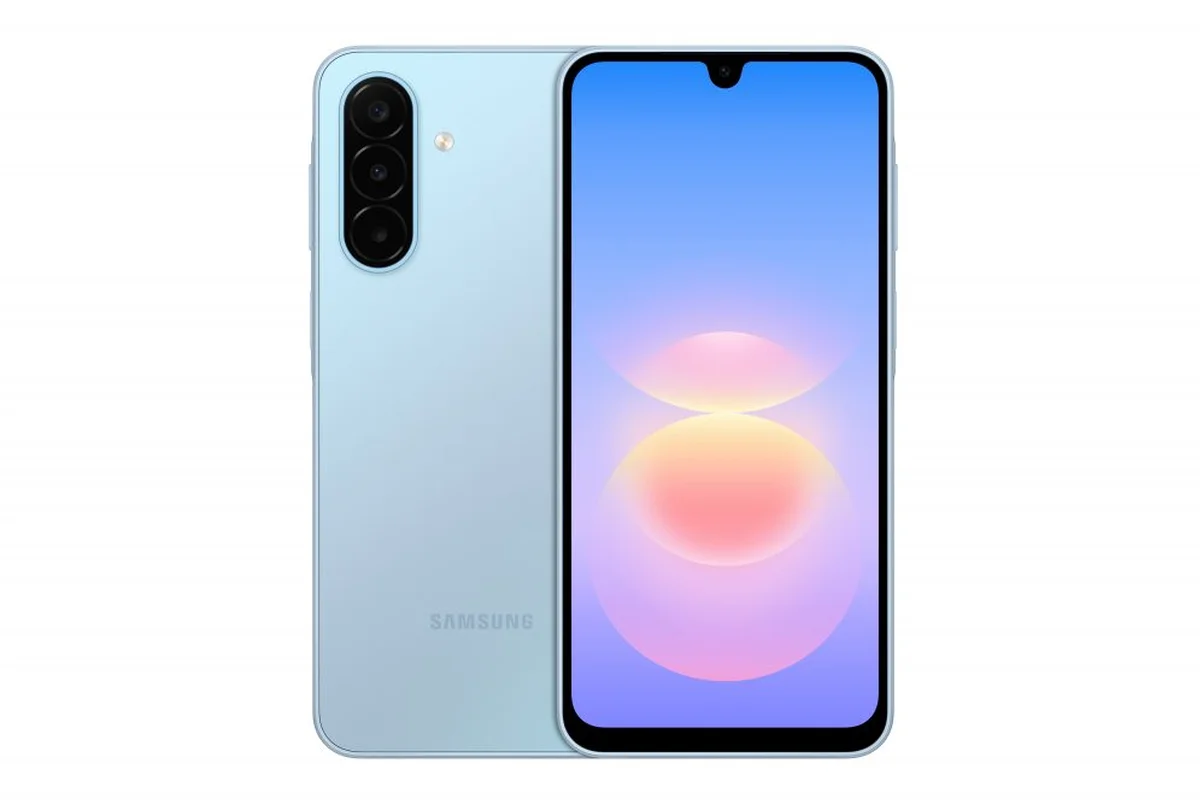
Samsung has launched the Galaxy A18 4G in Europe, powered by the new Exynos 1610 chipset and built with stronger durability. The phone also carries an IP64 rating for dust and splash resistance.
The Galaxy A18 4G features a 6.7-inch Super AMOLED display with 2340×1080 resolution and a 90Hz refresh rate. It still uses a notch for the 13MP selfie camera.
On the back, the setup includes a 50MP main sensor without OIS, a 5MP ultra-wide, and a 2MP macro lens. Video recording is capped at 1080p at 30fps.
Battery capacity is 5,000mAh with 25W charging. Samsung rates the cell for 1,200 cycles, and it can reach 50 percent charge in about 30 minutes. The phone runs Android 17 with One UI 9 and comes with a promise of six years of OS updates and security patches, extending support until October 2032.

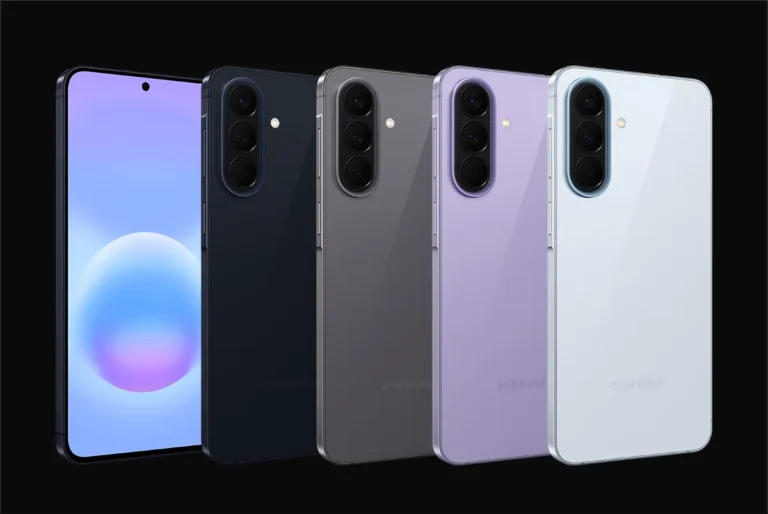
Design-wise, the A18 4G is slightly thicker and heavier than the A17, measuring 7.7mm and weighing 196g. It is available in Gray, Light Blue, and Black color options.
Also Read: Samsung rolls out One UI 9 for Galaxy S26 series
Pricing varies by market. In France, the 4GB+128GB model costs €280. In Norway, the 128GB version is NOK 3,290 (~₱22,00), while the 256GB model is NOK 5,190 (~₱34,600). The Samsung Galaxy A18 4G is already on sale in Europe. There’s no word yet on a Philippine release.
Key Specs
- 6.7-inch Super AMOLED, 2340×1080, 90Hz
- Exynos 1610 chipset
- Storage options: 128GB and 256GB
- 50MP main, 5MP ultra-wide, 2MP macro, 13MP front camera
- IP64 dust and splash resistance, 7.7mm thickness, 196g weight
- Android 17 with One UI 9
- Six years of OS and security updates until 2032
- Colors: Gray, Light Blue, Black
- 5,000mAh battery, 25W charging, 1,200-cycle rating
Source: 1