

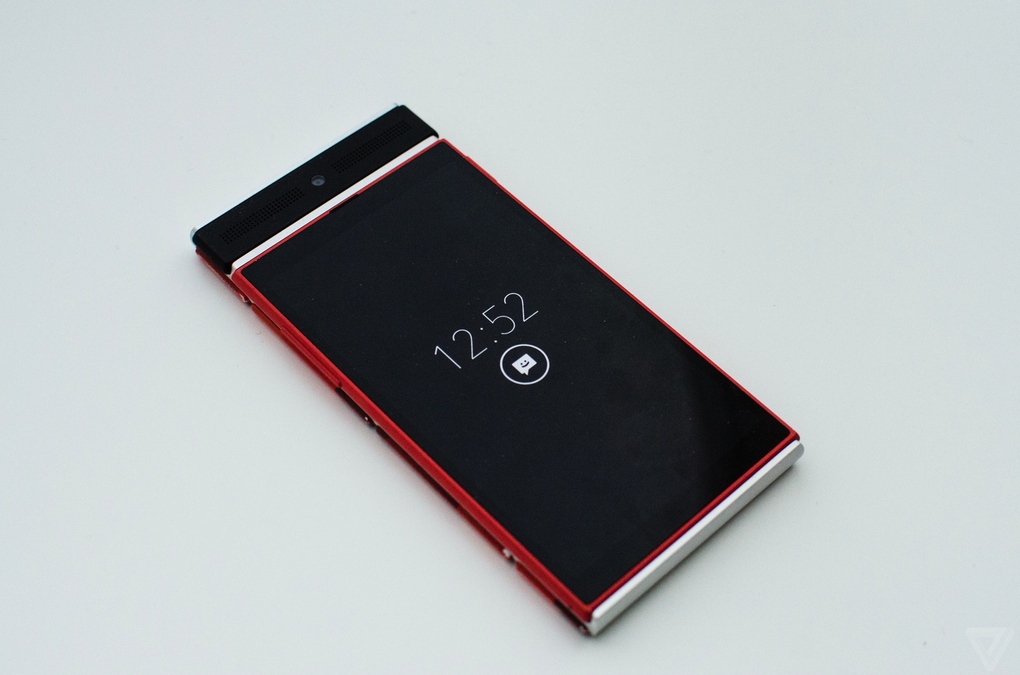
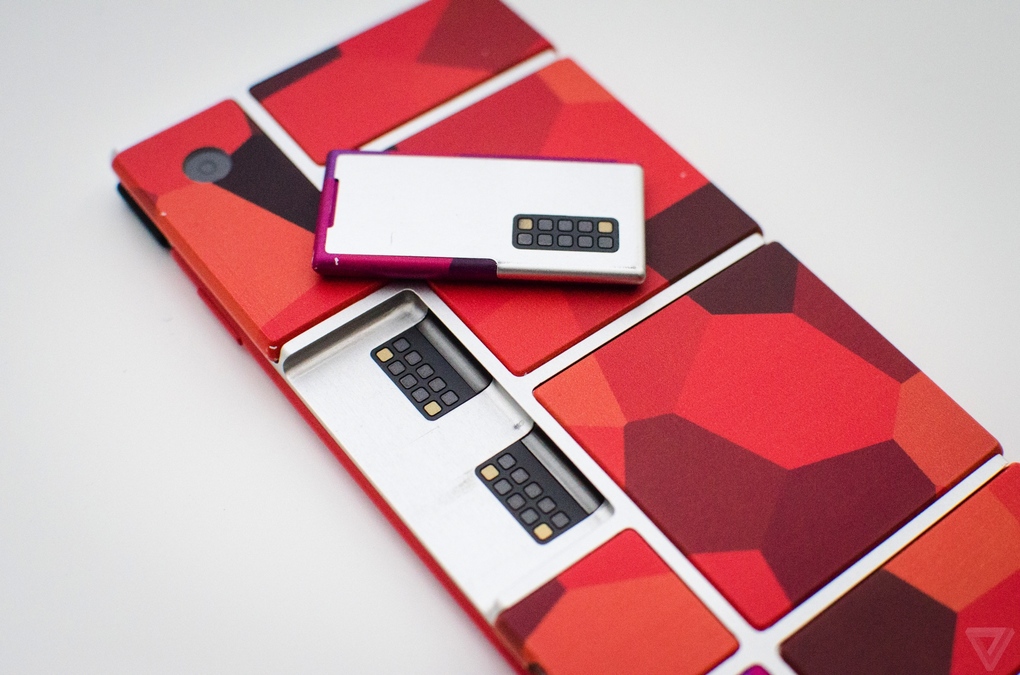
Last week, Google held its first developer conference for Project Ara, and also unveiled a prototype of their modular phone. Like Lego, you could essentially build your dream phone by buying and swapping blocks or modules that you want. The concept was similar to yesteryear’s make your own PC, wherein you can decide what goes into your dream computer.
Basic Unit at under $100
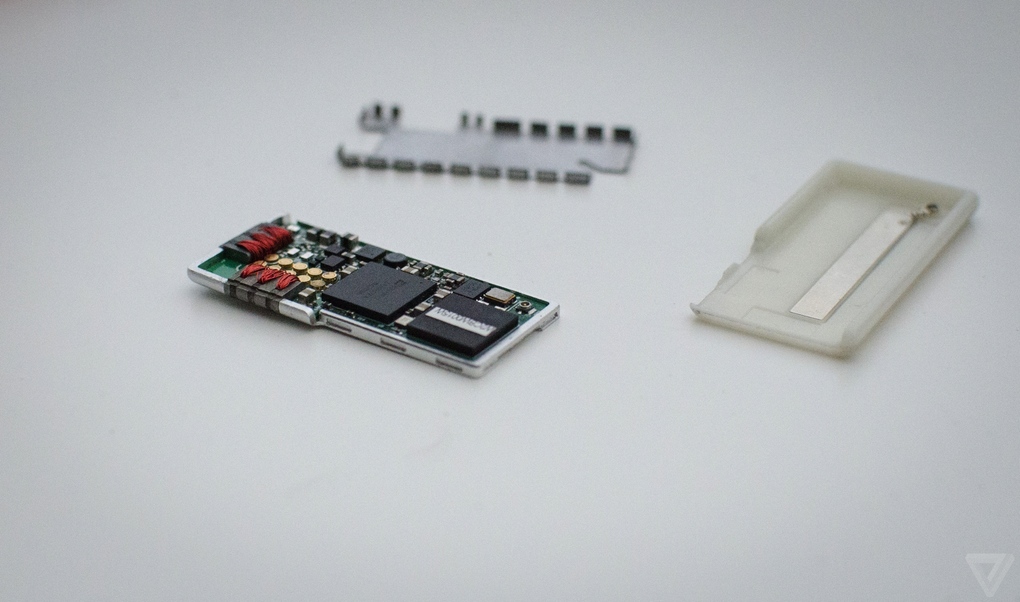
According to Google, you can start with an endoskeleton with basic components for around $50. Called a grey phone, it will include a $15 Endo frame, a $15 display, a $5 battery, a $10main Application Processor module, and a $5 Wi-Fi unit. These are not the final prices, but Google is confident that it would cost under $100.
Availability
ATAP, a small group within Google that’s developing Project Ara, was given a very short time line to come up with an actual product ready for sale. So expect availability of a fully realized Project Ara modular phone as early as January 2015.
The modular phone could be the phone that would stay with you the longest – because all you need to upgrade it is to swap parts that you want. And with third party companies manufacturing their own modules, this could turn out to be the phone you have always wanted. Imagine a Canon or Nikon made camera module for photographers, an Nvidia Tegra GPU for gamers, or Bose speaker modules for audiophiles even. IF (and that’s a big IF) it does take off, this could change the mobile phone landscape as we know it.
Source The Verge



1 Comment
Nice.,im excited to buy this phone…^_^