Global smartphone shipments are expected to decline in 2026 as rising memory costs continue to pressure manufacturers. Counterpoint Research revised its forecast after DRAM prices surged in 2025, which pushed production costs higher across all price segments.
The low end of the market is taking the biggest hit. Devices priced below USD 200 have seen component costs jump by 20 to 30% since early 2025. Midrange and high-end phones are also affected, with increases of 10 to 15%.
Counterpoint warns that memory prices could rise further through the second quarter of 2026, adding another layer of cost for brands.
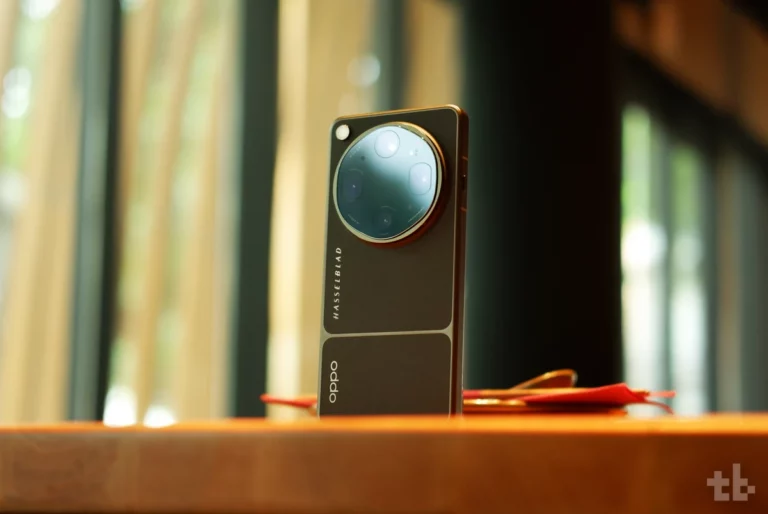
These challenges led analysts to cut their 2026 shipment outlook by 2.6% points. Chinese brands such as HONOR, OPPO, and vivo are expected to feel the most pressure because they rely heavily on competitive pricing and high-volume entry-level models.
Manufacturers are already adjusting their strategies. Some are reducing the number of low-end devices they release. Others are reusing older components or lowering specifications for cameras, displays, and memory to keep prices in check. Many brands are also shifting more attention to higher tier models where margins are stronger.
Also Read: Apple to overtake Samsung in smartphone shipments in 2025, says report
Average selling prices are forecast to rise 6.9% next year as companies pass on part of the cost increases and rebalance their lineups toward more premium devices.
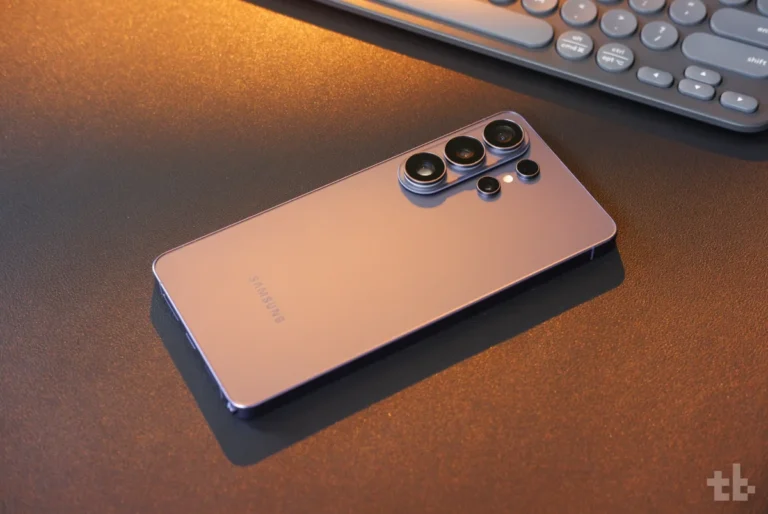
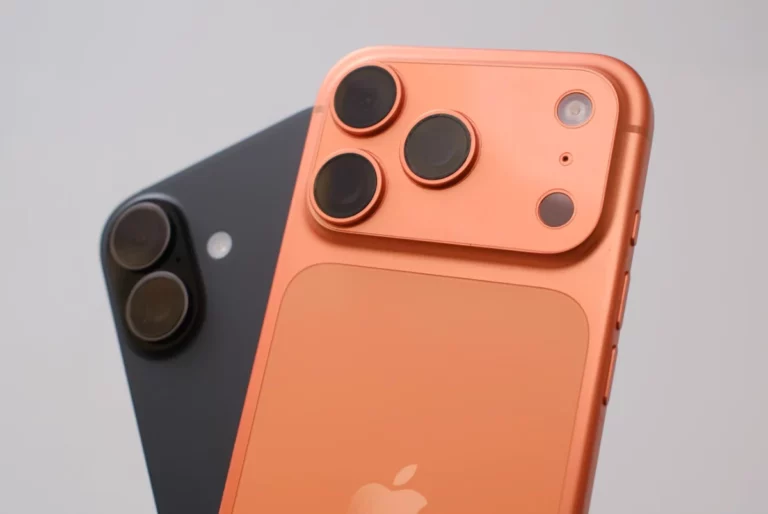
Counterpoint notes that brands with scale and strong high-end portfolios, such as Apple and Samsung, are better positioned to manage the supply challenges ahead.
Stay tuned for more updates.
Source: 1