
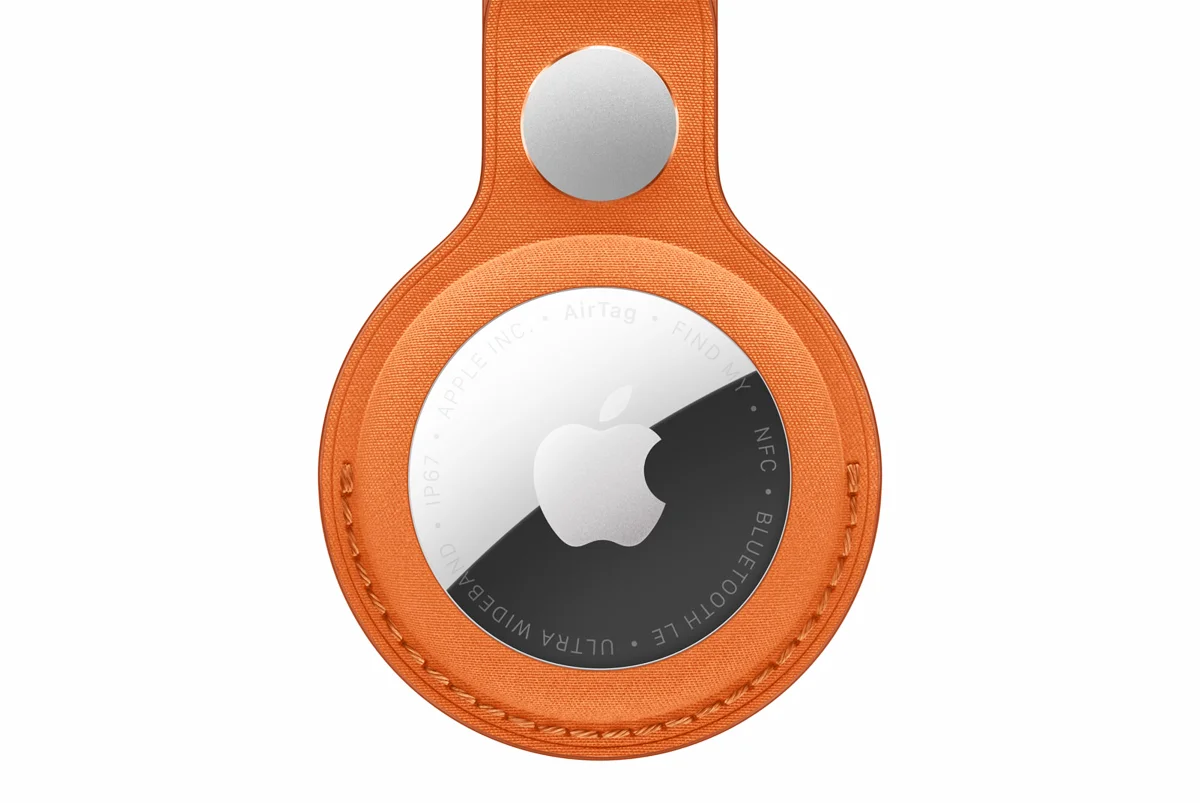
Apple has launched the AirTag 2, the second-generation version of its item tracker. The new model comes with louder alerts, a longer range, and improved integration with Apple devices. It will also launch in the Philippines, priced at ₱1,990 for a single unit and ₱6,790 for a four-pack.
The AirTag 2 is powered by Apple’s latest Ultra Wideband chip, which extends Precision Finding by up to 50 percent compared to the first model. This makes it easier to locate misplaced items, even from farther away.
It also works directly with Apple Watch Series 9, Ultra 2, and later models, giving users more ways to track their stuff.
Apple redesigned the internal speaker system, making alerts 50 percent louder. The new chime helps users find items tucked away in bags, cushions, or other hard-to-spot places.
The Find My network remains central to the AirTag experience. Apple added a Share Item Location feature, allowing users to securely share tracking information with trusted contacts or organizations. The company has partnered with more than 50 airlines to help reduce baggage delays and losses.
Privacy and security are still a focus. AirTag 2 uses end-to-end encryption, does not store location history, and includes protections against unwanted tracking.
The AirTag 2 is made with recycled materials, including 85 percent recycled plastic and 100 percent recycled rare earth elements and gold plating. Packaging is fully fiber-based and recyclable.
Also Read: Apple Pay expected to launch in the Philippines in Q3
The AirTag 2 is available now through Apple’s online store and retail channels. Accessories such as the FineWoven Key Ring, priced at ₱2,790, are also offered in multiple colors.
