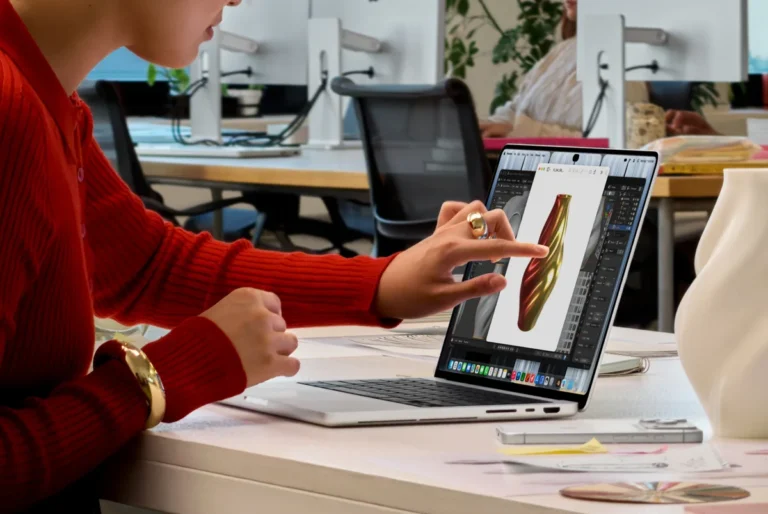
Apple could eventually phase out non-touch MacBook Pro models as it pushes its new touchscreen lineup. According to Bloomberg’s Mark Gurman, Apple is also testing whether pro users are willing to pay about USD 400 more for a MacBook Pro with touch support.
The touchscreen MacBook Pro starts at USD 2,899 for the 14-inch model (PHP 214,990 in the PH). That’s a steep jump from comparable non-touch versions. For now, Apple is selling both options side by side.
Gurman said the company may not keep that setup forever. Running two premium MacBook Pro lines means higher development, manufacturing, and marketing costs. If enough buyers choose the touchscreen version, Apple could make touch support standard on future high-end models.
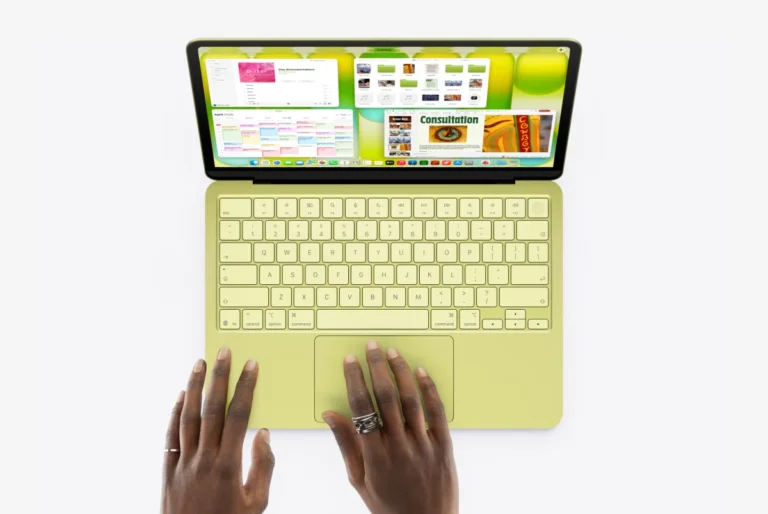
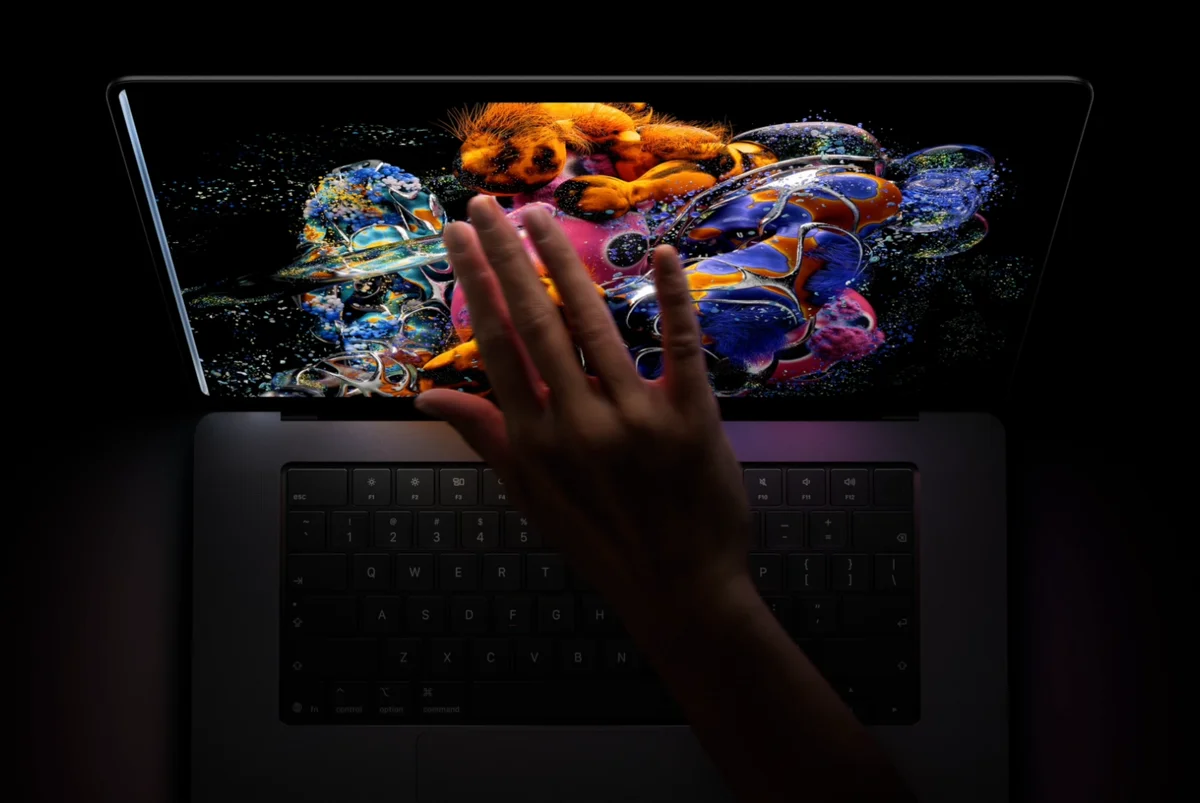
Apple recently introduced its first touchscreen MacBook Pros as part of a major redesign. The laptops come with OLED displays, slimmer bezels, a thinner body, updated cooling, and Dynamic Island support.
The company is also expected to keep building on the touchscreen concept in future generations. Gurman said Apple is planning another round of touchscreen MacBook Pros, showing that touch technology is likely to remain part of the lineup moving forward.
Also Read: Apple unveils touchscreen MacBook Pro with PROLED XDR Display; PH price revealed
Older non-touch MacBook Pros are expected to be phased out over time. Apple has not announced any timeline, but the company appears to be watching how customers respond to the new touchscreen models and their higher price.
The biggest question is whether touch support is worth the extra cost. If Apple eventually drops non-touch models, future MacBook Pro users may have to pay more to get the company’s top laptops.