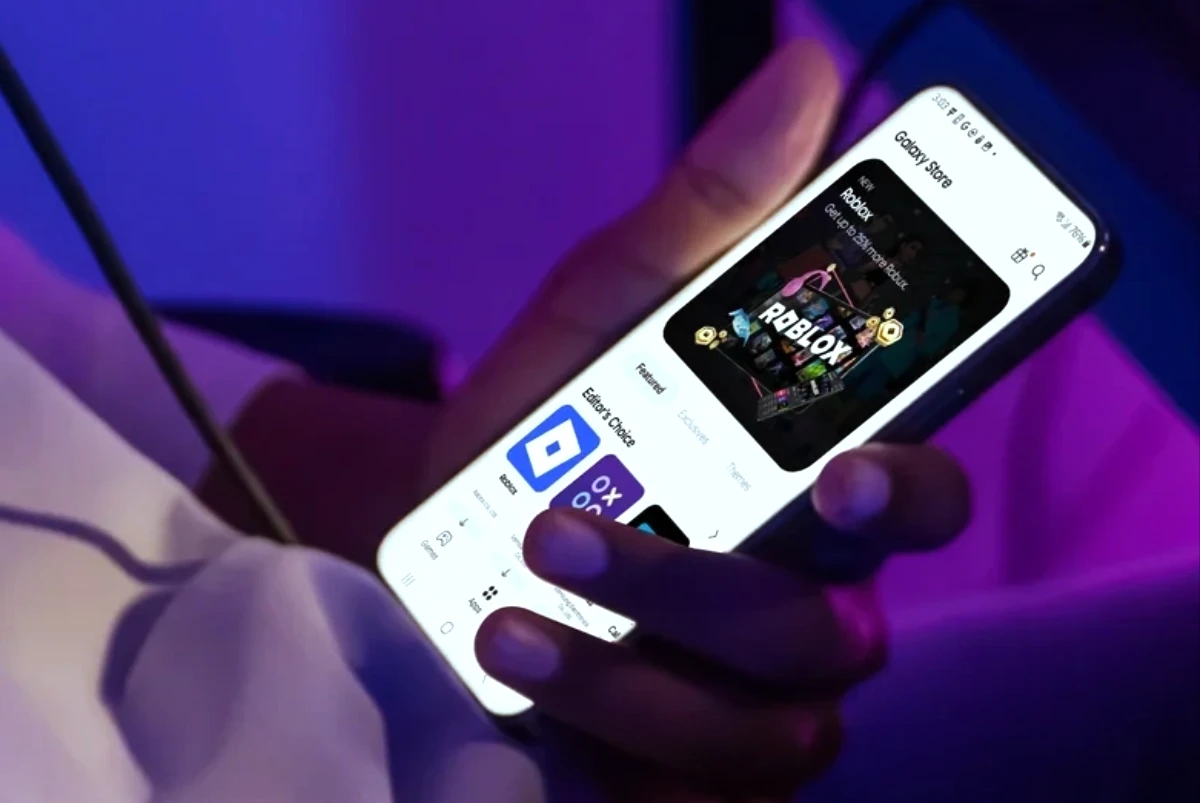
Roblox has avoided a ban in the Philippines after agreeing to meet the demands of the Cybercrime Investigation and Coordinating Center (CICC). The conditions were initially raised at a high-level summit, where officials addressed child safety concerns linked to the gaming platform.
The agreement was finalized in a meeting between the Department of Information and Communications Technology (DICT) and Roblox management on April 7, 2026.
CICC flagged lapses in protecting children from Online Sexual Abuse and Exploitation of Children (OSAEC). Roblox then clarified that new safety features have been active since January. These include parental controls that let parents link accounts, remove sensitive content, review private servers, and set monthly spending limits.
Roblox also agreed to integrate with the Philippine National ID system (PhilSys) to enhance age verification. The company will streamline takedown requests from Philippine authorities, ensuring faster removal of flagged content.
CICC Executive Director Usec Aboy Paraiso also confirmed that Roblox was instructed to establish a local office to improve coordination.
The platform said it is working with other countries to address complaints about inaccurate age checks. Despite these commitments, discussions with Philippine agencies are ongoing, with a joint statement expected soon.
Also Read: CICC lists demands for Roblox before PH talks
Parents are encouraged to activate Roblox’s parental controls. These tools allow them to monitor screen time, set purchase limits, block inappropriate experiences, and select content suitable for their child’s age.
Source: 1
Featured photo: Roblox